
Reviewed · STARGAZING & ASTRONOMY NIGHTS
Sedona Night Hike and Stargazing
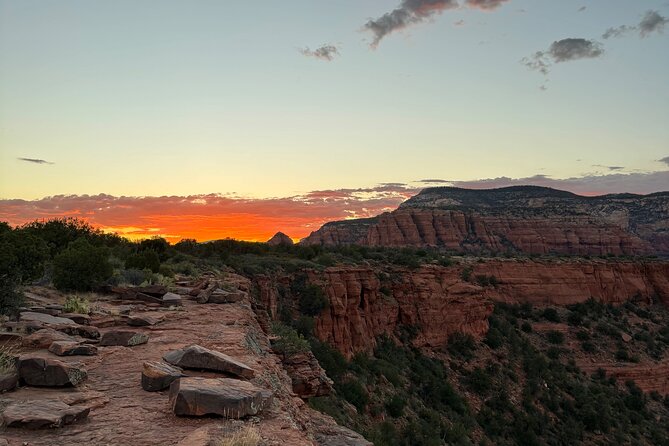
Sedona at night has a different feel—start with the sunset. This Sedona Dark Sky style hike turns red-rock views into a guided sky show, then adds an eerie night-wildlife moment with UV gear. It’s timed for when the desert cools down and the constellations start to pop.
I love how hands-on it is: you get headlamps and rain ponchos, plus a high-powered laser pointer and astronomy talk to help you actually recognize what’s above. I also like the guide approach—routes are adjusted by season, weather, and wildlife activity, so the hike stays focused and safe while still feeling calm and personal.
The one drawback to plan around is weather. This experience needs good conditions, and if it’s canceled for poor weather you’ll be offered a different date or a full refund.
In This Review
- Key things that make this Sedona night hike worth your time
- Why Sedona at dusk makes the stars feel close
- The 4-hour rhythm: sunset hike, then constellations overhead
- Moonlight hiking paths that change with season, weather, and wildlife
- The UV scorpion search: the spookiest part, done responsibly
- Laser-pointer stargazing in a Dark Sky City
- What’s included in the $195 price (and why it can be good value)
- Pickup and logistics: easy, but show up ready
- What to wear and bring for a night hike under the stars
- Who this Sedona night hike suits best
- A quick reality check on weather and refunds
- Should you book this Sedona Night Hike and Stargazing?
- FAQ
- What time does the Sedona Night Hike and Stargazing start?
- How long is the Sedona night hike and stargazing experience?
- Is pickup from my hotel or rental included?
- Does the tour provide equipment for night hiking?
- Is the Red Rock Pass included?
- What will we do during the stargazing portion?
- What happens during the UV flashlight part of the tour?
- What happens if weather is poor?
- Is this a private tour?
Key things that make this Sedona night hike worth your time
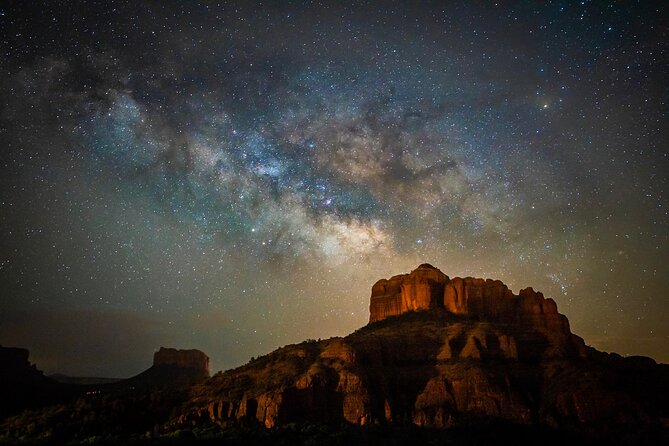
- Dark Sky City stargazing with a laser pointer guide so you can track constellations in real time
- UV flashlight scorpion searching for a fun, slightly spooky night-safari moment
- Private group setup with hotel pickup and drop-off, plus parking and the Red Rock Pass included
- Route choices adjusted for seasonal conditions and wildlife activity
- Night-hiking essentials provided: headlamps, rain ponchos, and bottled water
- A night guide who’s equipped for the outdoors, including wilderness first responder training
Why Sedona at dusk makes the stars feel close
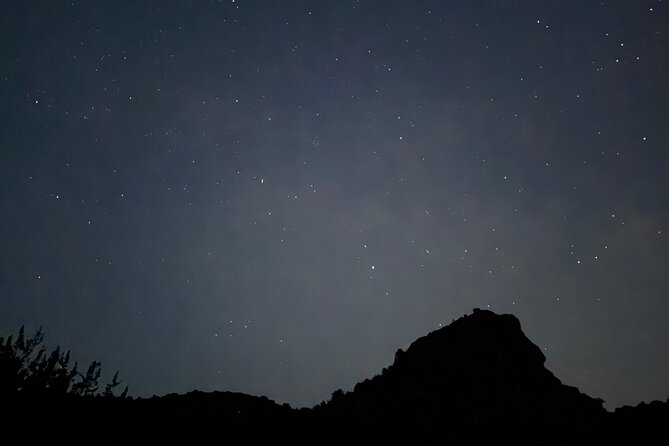
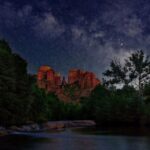
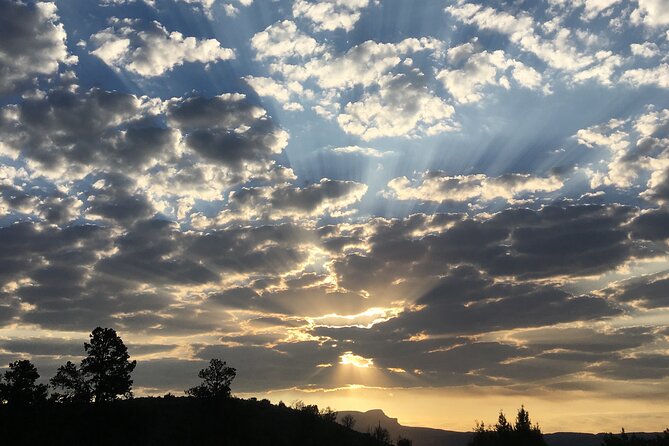
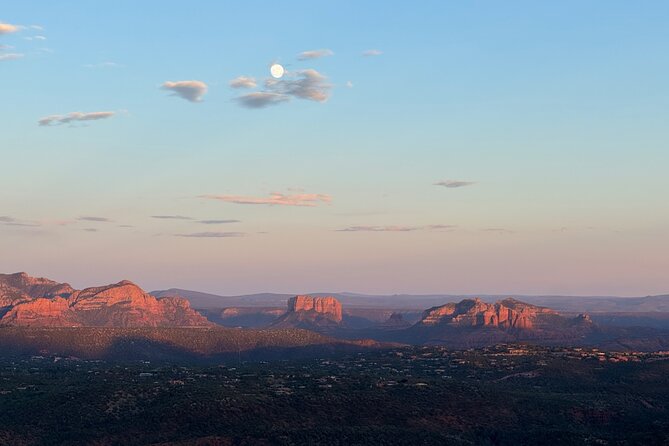
Sedona’s red rocks look dramatic in daylight. At night, they become a frame for something bigger. This experience is built around the shift from sunset to full darkness, when the desert cools and the sky turns sharp enough to spot real patterns—not just vague smudges.
Sedona is a nationally certified Dark Sky City, and that matters. It means the area is set up to protect night-sky viewing, so when the guide points up, you’re not fighting bright light. In a tour like this, that protection turns stargazing from a nice idea into an actual show you can follow.
I also like the way the tour respects the desert as a living place. It’s not just a walk in the dark. You’re hiking during hours when wildlife is active, and the route changes with the season and conditions to help keep things safe and sensible.
Look up at more stargazing and night-sky tours over Sedona

The 4-hour rhythm: sunset hike, then constellations overhead
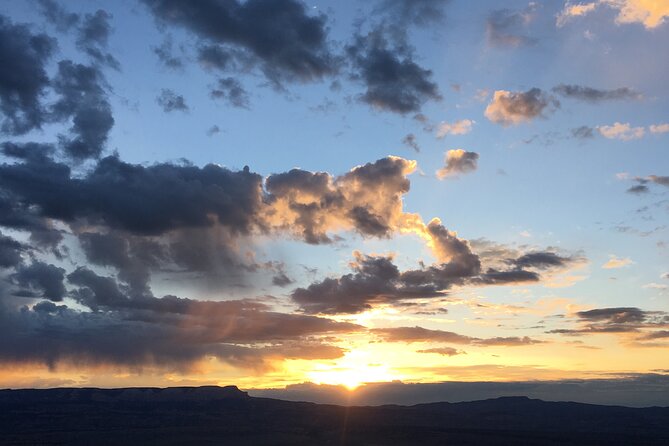
You’ll start in the late afternoon—5:15 pm—and the full experience runs about 4 hours. That timing is smart. You get enough light to find your way on the trail, then you ease into real night-sky visibility as the sky deepens.
The tour flow is simple but effective:
- First, you move into the evening after a Sedona sunset sets the tone.
- Then you shift into a guided night hike designed for cooler temperatures and quieter trail time.
- Finally, you slow down for stargazing, including a laser-guided sky talk and a UV search for scorpions.
Because the tour adjusts routes through the year, you don’t end up with the same exact hiking feel every time. That flexibility can be a real quality boost, especially if you’re visiting in shoulder seasons or have travel plans that don’t match Sedona’s typical peak weather.
Moonlight hiking paths that change with season, weather, and wildlife
A lot of night hikes treat the trail like a fixed script. Here, the route is adjusted based on seasonal conditions, weather, and wildlife activity. I like that because it signals a practical mindset: your night hike is shaped by what’s happening outdoors, not forced into one plan.
This matters for two reasons. First, cooler evening temps make hiking easier on your body, especially in the warmer months. Second, wildlife timing affects where and how you walk—so route choices can reduce disruptions and help keep the experience calm.
There’s also a comfort factor. The tour includes headlamps so you’re not fumbling for visibility, and rain ponchos so a surprise shower doesn’t turn the night into a damp mess. That level of planning makes it easier to focus on the sky instead of managing gear.
The UV scorpion search: the spookiest part, done responsibly
One of the most memorable moments is the hunt for glowing scorpions using a UV flashlight. If you’ve ever wondered what “glow under UV” looks like in real life, this is the cleanest way to find out without needing specialized equipment.
Here’s what to expect. As it gets darker, your guide turns the night into a game with focused scanning. The UV light reveals scorpions in a way that’s striking and a little surreal—like the desert has a second set of rules.
I also appreciate the inclusion of a high-powered UV flashlight and the fact that the guide talks about desert wildlife as you go. That keeps it from feeling like a gimmick. It’s part of understanding what you’re seeing, not just chasing a creepy thrill.
Practical note: keep your movement quiet and controlled. Night critters aren’t used to people charging around, and your guide will help you slow down and look the right way.
Laser-pointer stargazing in a Dark Sky City

The star show is anchored by a guide using a high-powered laser pointer to trace what you’re looking at. That sounds simple, but it’s the difference between guessing and actually learning the sky in real time.
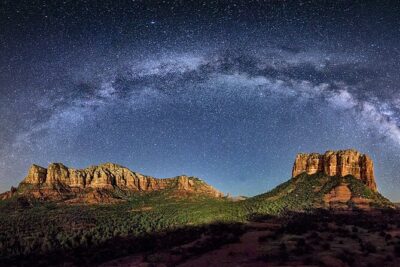
You’ll be shown constellations, and the guide also points out planets and the Milky Way. Sedona’s status as a Dark Sky City helps a lot here, because the sky stays dark enough to make those faint details visible.
One detail I really value: you’re not just standing in one spot. You’re hiking, then pausing, then looking again with the guide’s direction. That rhythm helps you build a sense of the sky rather than treating it like a one-minute snapshot.
In the feedback I’ve read, the guides are consistently praised for being prepared and making the night sky feel understandable. One guide name that came up is Ty, who was described as friendly and capable at connecting the dots overhead.
Stay out for more after-dark experiences in Sedona


What’s included in the $195 price (and why it can be good value)
At $195 per person for about four hours, this isn’t a budget activity. But you’re paying for more than a trail and a view.
Here’s what’s covered:
- Private transportation pickup and drop-off from your hotel, resort, campground, or vacation rental
- Parking fees and Red Rock Pass
- Wilderness first responder hiking guide
- Headlamps and rain ponchos
- Bottled water and healthy trail snacks
- UV flashlight for the scorpion search
- Laser pointer astronomy talk
- Mobile ticket (for easy access)
That list adds up quickly if you were to cobble it together yourself. You’d still need the pass and parking, reliable transport, night gear, and a guide who can make stargazing feel legible instead of overwhelming.
There’s also the format value: it’s listed as private, meaning only your group participates. If you want a quieter, less crowded sky moment—especially on a clear night—that’s a real perk.
One more point: this experience is often booked in advance (on average about 51 days). If you’re traveling around peak conditions, plan to book earlier so you’re not stuck with limited options.
Pickup and logistics: easy, but show up ready
Pickup starts at the tour start time, 5:15 pm, and the guide will shuttle you back after. If you’re meeting in Sedona at a pickup location, the van is clearly marked with the company logo and your guide will be watching for your group.
The upside for you is simple: you don’t have to drive yourself through changing light and then park in the dark. You also don’t have to figure out the equipment situation on arrival, because headlamps and rain ponchos are part of the package.
If I had one practical consideration, it’s that pickup is smooth only if you’re on time and ready. With a night hike, being late means you might miss the best part of the sunset-to-dark transition that makes this tour work.
What to wear and bring for a night hike under the stars
This tour gives you key gear—headlamps and rain ponchos—so you don’t need to bring technical equipment. But you still want to show up prepared for cold air and uneven ground in the dark.
Here are smart basics:
- Wear layers. Desert evenings can feel cooler once the sun drops.
- Use sturdy closed-toe shoes with grip.
- Bring a light, because even with a headlamp you’ll sometimes want extra convenience.
- Dress for comfort. You’ll be hiking, stopping, scanning the sky, then hiking again.
If you’re doing this with kids, this setup can work well. One set of feedback mentioned that elementary-aged kids had a blast, which makes sense: UV scorpion searching is a natural “eyes-on” activity for younger explorers.
Who this Sedona night hike suits best
This tour is a good match if you want more than a casual stargaze. You’ll get guided interpretation—constellations, planets, and the Milky Way—plus the unusual desert-creature moment with UV light.
It’s also a strong pick if you like experiences that feel structured but still relaxed. The hike is paced for night conditions, and route adjustments help keep it aligned with what the desert is doing.
If you’re traveling as a couple, the private format is a win. If you’re traveling as a family, the combination of visible sky guidance and the scorpion hunt tends to hold attention better than a purely lecture-based astronomy tour.
If you’re the type who hates being cold, focus on timing and dress appropriately. This is a night activity, and even with ponchos, the air can still feel chilly.
A quick reality check on weather and refunds
This experience requires good weather. If it gets canceled due to poor weather, you’ll be offered a different date or a full refund. That’s worth taking seriously in Sedona, where clouds can turn a “Milky Way night” into a disappointing gray sky.
Your best move is to book something you can shift later if needed. Clear skies are part of what makes the whole concept sing.
Should you book this Sedona Night Hike and Stargazing?
If you care about two things—real stargazing help and an unusual night-wildlife moment—then yes, I think this is a strong booking.
You should book if:
- You want guided astronomy using a laser pointer, not just “look up and figure it out.”
- You’re intrigued by the UV scorpion search and want it done with the right gear.
- You prefer less friction: hotel pickup, included passes/parking, and night essentials handled for you.
- You want a night that feels personal, since it’s set up as a private group experience.
Skip it if:
- You’re only available when skies are likely to be unreliable.
- You’re expecting a short, easy walk with no real night hiking component.
Overall, the price makes sense when you factor in transportation, access items, and the night-sky guidance tools you get. And based on the consistently high marks for the guide and the sky views after sunset, this is one of those Sedona experiences that’s built for a moment you’ll still remember when you’re back home.
FAQ
What time does the Sedona Night Hike and Stargazing start?
It starts at 5:15 pm.
How long is the Sedona night hike and stargazing experience?
The duration is about 4 hours.
Is pickup from my hotel or rental included?
Yes. Pickup and drop-off are included from your hotel, resort, campground, or vacation rental.
Does the tour provide equipment for night hiking?
Yes. You’ll receive headlamps and rain ponchos, along with a UV flashlight and a laser pointer astronomy talk.
Is the Red Rock Pass included?
Yes. Parking fees and the Red Rock Pass are included.
What will we do during the stargazing portion?
Your guide will use the laser pointer to trace constellations and explain what you’re seeing in the night sky, including planets and the Milky Way.
What happens during the UV flashlight part of the tour?
You’ll search for glowing scorpions using the UV flashlight.
What happens if weather is poor?
The experience requires good weather. If it’s canceled due to poor weather, you’ll be offered a different date or a full refund.
Is this a private tour?
Yes. It’s listed as a private activity with only your group participating.
More After-Dark Experiences in Sedona

More Stargazing & Night-Sky Tours over Sedona
More Tour Reviews worth a look around Sedona




Not quite your trip? Here is more to see and do around Sedona




Stargazing & Astronomy Nights, compared.
 ★ 4.5Sedona Stargazing Tours LLCFrom $89881 reviews
 ★ 4.5The Original Sedona UFO and Stargazing Night TourFrom $155269 reviews
 ★ 4.5The Night Sky Star Story, Galaxy, and Sedona Story TourFrom $100243 reviews
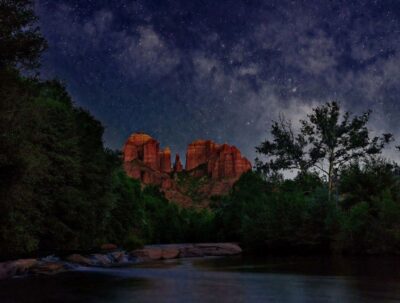 ★ 4.4Nighttime UFO & Stargazing TourFrom $160148 reviews
 ★ 5.0Sedona Dark Sky Sunset & Night Hike With a Private GuideFrom $18586 reviews
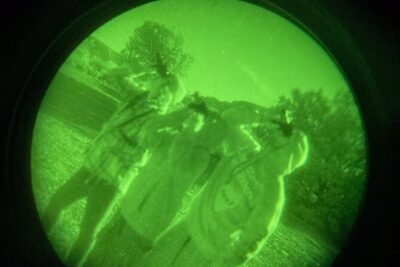 ★ 4.5Sedona UFO/Stargazing Tour (price per goggle not per person)From $16047 reviews
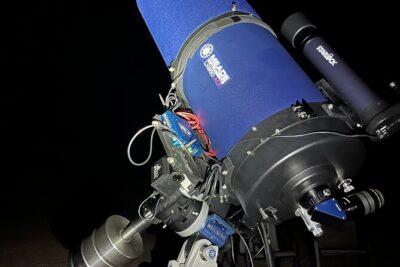 ★ 5.0Stargazing Tour with Telescopes and Video Astronomy in SedonaFrom $12540 reviews
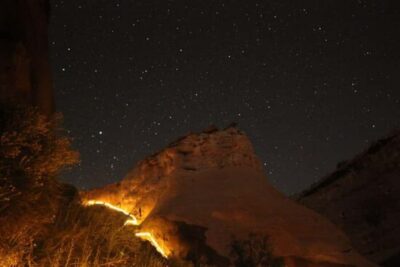 ★ 4.5Page: Antelope Valley Canyon Stargazing Night HikeFrom $6537 reviews
Browse the lists this tour appears in