
Reviewed · GRAND CANYON DAY TRIPS FROM SEDONA
Sedona/Flagstaff: Grand Canyon Day Trip and Sunset
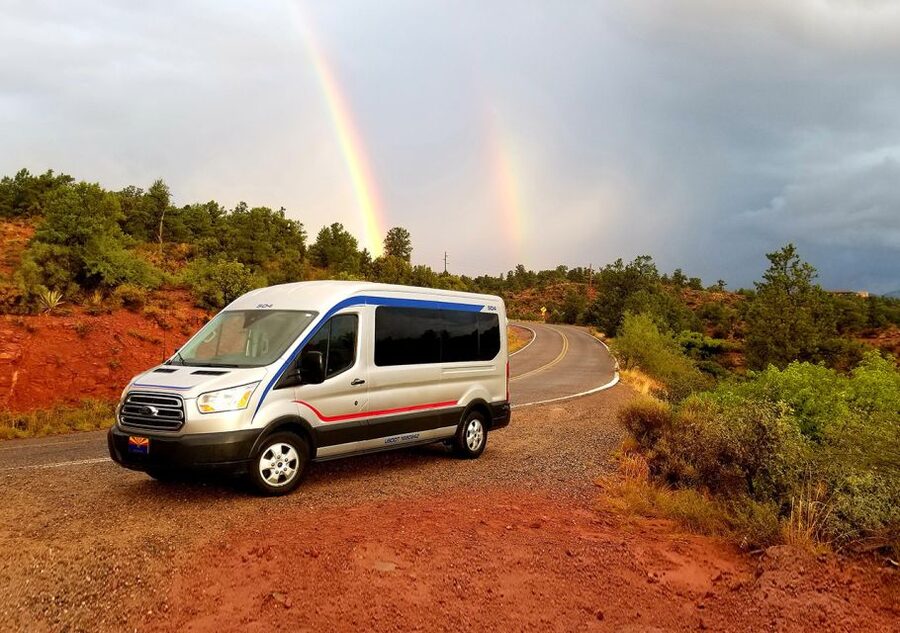
Grand Canyon sunset, handled like a pro. This is a small-group day trip (max 14) with full narration and well-timed stops across the East and South Rim, ending with a guide-selected sunset spot. You also add a meaningful cultural stop at Cameron Trading Post on Navajo Tribal Land before you even reach the main canyon viewpoints.
I like the way the drive sets the mood. If you start in Sedona, you’ll climb out of red-rock country through Oak Creek Canyon, then up toward tall Ponderosa pines, so the landscape changes before the Grand Canyon even shows up.
I also love the “you’re not just driving past things” approach. When your guide is talking about geology, plants, animals, and the region’s history and Native nations, the canyon turns from scenery into a story you can actually see.
One drawback to keep in mind: the day is long, and dinner is on your own after the canyon, so you’ll need to follow your guide’s lead and be ready for a set dinner window rather than free-roaming whenever you want.
In This Review
- Key highlights worth your time
- Why this Grand Canyon sunset day trip feels different
- The ride north: Sedona to Flagstaff and the Colorado Plateau climb
- Flagstaff pickup, small-group comfort, and what you actually get
- Cameron Trading Post on Navajo Tribal Land: shopping with context
- Desert View and the East Entrance: your first true canyon moments
- South Rim viewpoints: wide views, smart stops, and wildlife chances
- The Phantom Ranch and Kaibab Bridge sightline you’ll want to see
- Dinner on your own: choices, timing, and how to handle it
- Sunset at the right moment: colors, shadows, and photo help
- Price and logistics: is $240 a fair value?
- Who should book this tour (and who might choose differently)
- Should you book this Sedona/Flagstaff Grand Canyon sunset day trip?
- FAQ
- How long is the Sedona/Flagstaff Grand Canyon day trip?
- Does the tour include hotel pickup and drop-off?
- Is dinner included in the tour price?
- How big is the group?
- Do I need to pay an extra fee if I am not a U.S. resident?
- Do children need a car seat/booster?
Key highlights worth your time
- Max 14 people in an air-conditioned van with narration throughout, so you can ask questions without shouting over a bus.
- East + South Rim viewpoints, including Desert View and multiple stops along the South Rim for wide, deep canyon views.
- Cameron Trading Post on Navajo Tribal Land, with time to browse Native craftsmanship.
- A rare sightline where you can see Phantom Ranch and the Kaibab Suspension Bridge from the South Rim.
- Sunset photo timing with a guide leading you to the best spot as colors and shadows shift.
- Small details that matter, like water provided and extra help with photos (some guides even help with pictures so you’re not stuck with selfie mode).
Why this Grand Canyon sunset day trip feels different
The Grand Canyon is big in every direction, which also makes it easy to do it wrong. You can end up staring at one overlook, missing the “why this looks like this” part, or wasting time in traffic and parking.
This tour helps you dodge that. You’re in a small, air-conditioned vehicle that keeps the day organized, and the guide’s narration is built around what you’re actually seeing—geology, flora and fauna, plus the human side of the region. Guides in this program include people like Brad, Charlie, Steve, Ezra, Sheldon, and Al, and the common thread in the day is the same: lots of facts, but spoken in a way that helps you spot things fast.
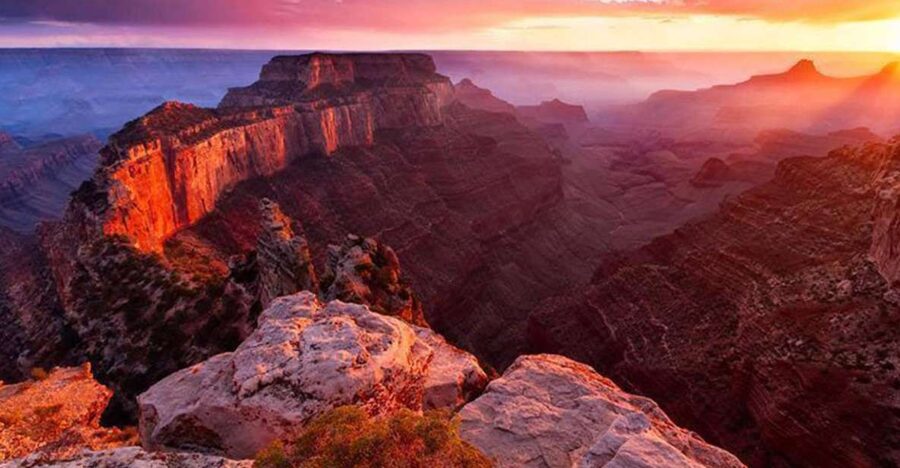
At the end, you don’t just watch sunset from wherever the crowd happens to be. Your guide takes you to an ideal spot so the canyon changes color in front of you, not beside you.
Plan more Grand Canyon day trips out of Sedona
The ride north: Sedona to Flagstaff and the Colorado Plateau climb
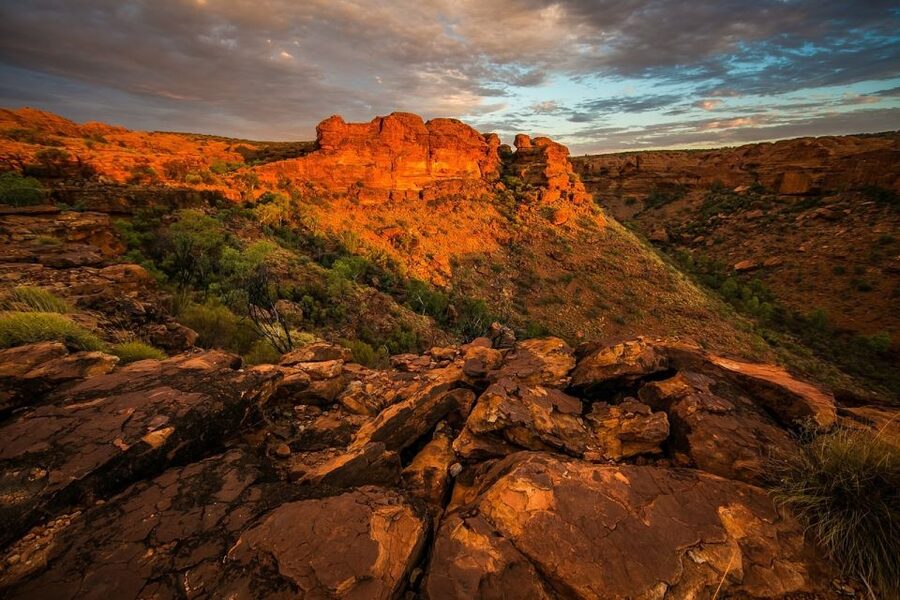
If you’re starting in Sedona, the day begins with the drive up out of red-rock country. You’ll travel through Oak Creek Canyon, and the route climbs steadily—over 27 miles of winding roads—as you gain roughly 2,000 feet before the big pines show up. It’s a slow “warm-up” that’s useful because your eyes get trained for the canyon later. You’ll notice the shift from rock-and-scrub to higher-elevation forest the moment you leave the lush lower area behind.
Then you connect up with the other part of the group in Flagstaff. From there, the van heads toward the Grand Canyon, passing the dormant volcanoes of the San Francisco Peaks. That’s not just trivia—it’s a hint at the broader story of how this region formed. You get a sense that you’re driving through a geologic chapter, not just a road.
This timing also matters because a day trip lives or dies on pacing. With pickup and drop-off included, plus a consistent schedule, you spend less energy planning and more energy actually watching the canyon.
Flagstaff pickup, small-group comfort, and what you actually get
This tour is designed for comfort and attention. The vehicle is air-conditioned and seats no more than 14 passengers, which is a big deal at the Grand Canyon. You’re not getting the stress of a crowded bus, and the guide can actually work with the group—standing out at the right stops, pointing things out, and keeping everyone in the right place for photos.
Water is included, and you’ll also get regular stops along the way. Several people noted there were bathroom breaks built in, and that the pace left room to stretch without feeling rushed.
One practical perk: some guides also bring extras for conditions. For instance, one review mentioned blankets for colder sunset viewing. That’s not guaranteed for every day, but it matches the overall vibe—guides here seem to think about real-world comfort, not just the itinerary.
Cameron Trading Post on Navajo Tribal Land: shopping with context
Before the Grand Canyon gets all the attention, you stop at the Historic Cameron Trading Post. This isn’t just a quick rest break. You’re on Navajo Tribal Land, and the time is meant for Native craftsmanship and souvenir shopping.
What I like about this stop is the order of operations. You get a cultural and regional anchor before you hit “headline views.” It also helps you understand why the canyon matters beyond postcards. The guide’s narration usually ties the land, people, and geology together, so when you later look at the canyon, you’re not separating natural wonder from human meaning.
If you like buying small, direct-from-maker items, this is a good place to slow down. Take time to look carefully, ask questions, and remember that good souvenirs aren’t about size—they’re about story and quality.
Desert View and the East Entrance: your first true canyon moments
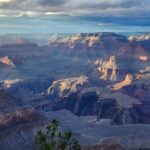
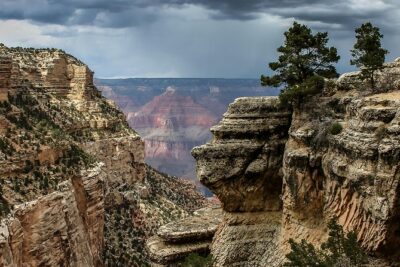
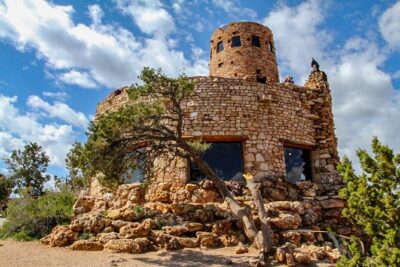
Once you enter Grand Canyon National Park from the East side, you get an immediate shift from driving to absorbing. Your first big vista comes at Desert View, where you can take in panoramic canyon views and get your first look at the mighty Colorado River.
The advantage of starting here is perspective. Desert View frames the scale early, before you move into the tighter, more crowded South Rim viewpoints. You’ll also catch the canyon’s layered look—big formations, long distances, and that signature depth that’s hard to appreciate from one overlook.
On the way in, you’ll also pass the Little Colorado River Gorge and the western edge of the Painted Desert. Even if you’re not a “scenic by scenic” person, these quick segments help you understand the region’s colors and erosion patterns.
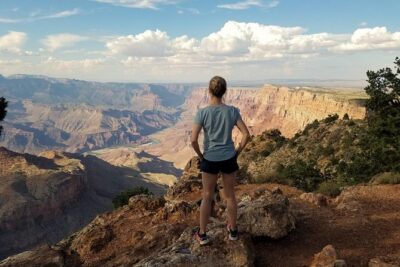
If you want photos that feel like more than a snapshot, your guide will point you toward angles and timing. People specifically praised these photo stops and photo help, including one mention that a guide took pictures for couples who struggled with selfie mode.
Stay out for more after-dark experiences in Sedona


South Rim viewpoints: wide views, smart stops, and wildlife chances
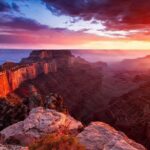
After your first views, the main portion of the day focuses on the South Rim. This is where you’ll see the Grand Canyon’s widest and deepest scenic stretches, and the itinerary is structured around getting to multiple overlooks rather than lingering at just one.
You’ll also learn what you’re seeing: how the rock layers relate to time, how the canyon was carved, and how plant and animal life fits into the elevations and microclimates. Several reviews highlighted guides who kept the day interesting by talking about geology and local flora and fauna, not just repeating generic “isn’t it amazing” lines.
One person mentioned that the guide made sure they spotted local wildlife. You shouldn’t treat that as a promise, but it shows that some guides actually scan for living things, not only rocks.
A practical note: South Rim viewpoints can be exposed. Plan on wind and cold snaps depending on season, and be ready to stand, look, and walk short distances between stops. If your guide suggests staying close for the next viewpoint, it’s usually because timing affects your photo quality and crowd flow.
The Phantom Ranch and Kaibab Bridge sightline you’ll want to see
Here’s one of the most distinctive parts of the route: the tour includes the only point where you can see Phantom Ranch and the Kaibab Suspension Bridge from a single vantage.
That matters because the canyon is so vast that many viewpoints are great for depth but weak for “specific destination” details. This stop is meant to give you a concrete connection—down below where Phantom Ranch sits, and the Kaibab Bridge spanning the canyon. It’s the kind of look that turns trivia into something you can visually map.
If you’re a photo person, this is also where your guide’s timing and positioning really pays off. The difference between a mediocre photo and a keeper is often where you stand, not just what camera you bring.
Dinner on your own: choices, timing, and how to handle it
Dinner is not included. You’re given time to eat on your own after the sunset program.
In practice, guides often help by giving you restaurant options and pointing you to a plan. Some reviews mentioned guides ordering ahead so the group could eat efficiently, and others described different meals based on the day’s options—one person specifically noted an Italian place, and another mentioned the Trading Post area as a dinner finish.
Because the meal type isn’t guaranteed in your personal way, your best move is simple: ask your guide what’s available when you get the dinner instructions, then choose quickly. That keeps your evening smooth and avoids the classic Grand Canyon problem—being hungry while sunset turns into “where should we go now?”
Sunset at the right moment: colors, shadows, and photo help
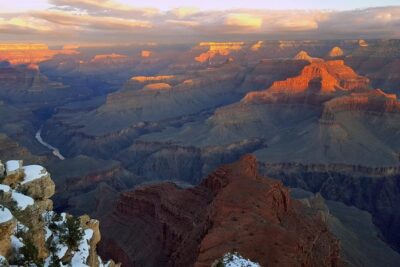
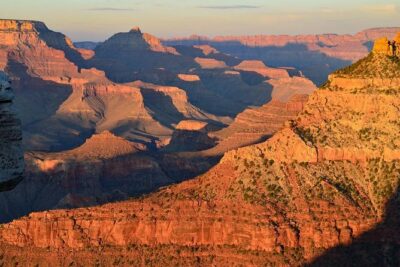
The day culminates with sunset viewing. Your guide takes you to the ideal spot to see the canyon’s changing colors, shadows, and lighting. That’s not a throwaway line. The canyon’s color shift is dramatic, and sunset is where the layers of rock start to glow, then darken.
Most people rate this part as the emotional payoff. Reviews repeatedly call it the highlight, and several mention photo help—like guides stepping in to take pictures for couples, and tips that make framing easier when you don’t have time to figure it out yourself.
One real consideration: sunset viewing time can feel short if you’re chasing the “best colors.” One review noted they left just after the sun hit the horizon and that they wished they could stay longer because the most intense tones often show up after sunset begins. If you’re the type who wants every minute of fading light, you might feel a pinch with a fixed schedule.
Still, the value is in being placed correctly at the start of the color show. You get the sunset you came for, plus the benefit of someone timing it with your viewpoint needs rather than leaving it to luck.
Price and logistics: is $240 a fair value?
$240 per person sounds steep until you break down what you’re buying. You’re not just paying for a ride. You’re paying for:
- Hotel pickup and drop-off
- Entry fees and permits
- A live guide with narration
- Water
- A full route that hits multiple East and South Rim viewpoints plus the Cameron Trading Post stop
- Sunset viewing from a guide-selected spot
Many people who do this day trip on their own end up spending time and energy figuring out parking, entrance logistics, and viewpoint order. With this tour, you’re essentially buying a plan and a driver who knows the sequence. In a place like the Grand Canyon, a well-run route can be worth a lot.
Two cost items to watch. First, the nonresident fee can add $100 per person for non-U.S. residents aged 16 and older for select national parks, processed ahead of time by contacting the tour company. Second, dinner is on your own, so you’ll budget extra for food.
For families with young kids, Arizona requires a car seat/booster for children eight and younger, and you provide that item yourself. That can be a deal-breaker if you forget or travel light.
Who should book this tour (and who might choose differently)
This is a strong fit if you want:
- A guided Grand Canyon day without handling logistics or fighting traffic.
- More than one viewpoint across the East and South Rim.
- A guide who explains the “why” behind the canyon, including geology and regional Native context.
- Help with pacing and photo stops, especially at sunset.
It may feel less perfect if you:
- Prefer long, slow independence over fixed timing.
- Want dinner included in the price.
- Need special child-seat arrangements beyond what you can bring.
If you’re staying in Sedona or Flagstaff and you want to maximize your one-day window, this tour is built for exactly that.
Should you book this Sedona/Flagstaff Grand Canyon sunset day trip?
I’d book it if your top priority is a well-run day with multiple real canyon viewpoints and a sunset ending that’s more than just “stand near a railing.” The small group size, hotel pickup, included fees, and the guided narration make it feel like paying for someone else to do the hard work—routing, timing, and interpretation—so you can focus on the views.
The main reason not to book is if you’re very strict about lingering after sunset or if you strongly prefer fully independent meals and pacing. For most people, though, the schedule hits the right moments, and the guide-driven stops (from Brad- or Charlie-style storytelling to photo help at the viewpoints) make the canyon land in your brain, not just your phone.
FAQ
How long is the Sedona/Flagstaff Grand Canyon day trip?
The duration is listed as 510 to 630 minutes (about 8.5 hours), with pickup in the 12:00 to 12:30 pm window and return around 8:30 to 9:00 pm.
Does the tour include hotel pickup and drop-off?
Yes. Hotel pickup and drop-off are included.
Is dinner included in the tour price?
No. Time is allotted for dinner on your own.
How big is the group?
The group is limited to 14 participants.
Do I need to pay an extra fee if I am not a U.S. resident?
Non-U.S. residents aged 16 and older may be charged an additional $100 USD per person for select national parks. This is in addition to standard park entrance fees and requires contacting the tour company in advance with credit card processing.
Do children need a car seat/booster?
Yes. Arizona state law requires children eight years and younger to be in a car seat/booster seat, and you must provide it for your tour.
More After-Dark Experiences in Sedona

More Grand Canyon Day Trips from Sedona
More Tour Reviews worth a look around Sedona
Not quite your trip? Here is more to see and do around Sedona
Grand Canyon Day Trips from Sedona, compared.
 ★ 5.0Small-Group Grand Canyon Complete Tour from Sedona or FlagstaffFrom $2081,928 reviews
 ★ 5.0Grand Canyon Complete Day Tour from Sedona or FlagstaffFrom $208549 reviews
 ★ 5.0Grand Canyon Deluxe Day Trip from SedonaFrom $196506 reviews
 ★ 5.0Private Grand Canyon Day TourFrom $317347 reviews
 ★ 4.9The Grand Canyon Classic Tour From Sedona, AZFrom $191343 reviews
 ★ 5.0The Perfect Grand Canyon Tour with Local Expert GuidesFrom $189280 reviews
 ★ 5.0Grand Canyon Small Group Tour from Sedona or FlagstaffFrom $196253 reviews
 ★ 5.0PRIVATE Grand Canyon from SedonaFrom $369228 reviews
Browse the lists this tour appears in