
Reviewed · STARGAZING & ASTRONOMY NIGHTS
Sedona: Nighttime UFO & Stargazing Tour
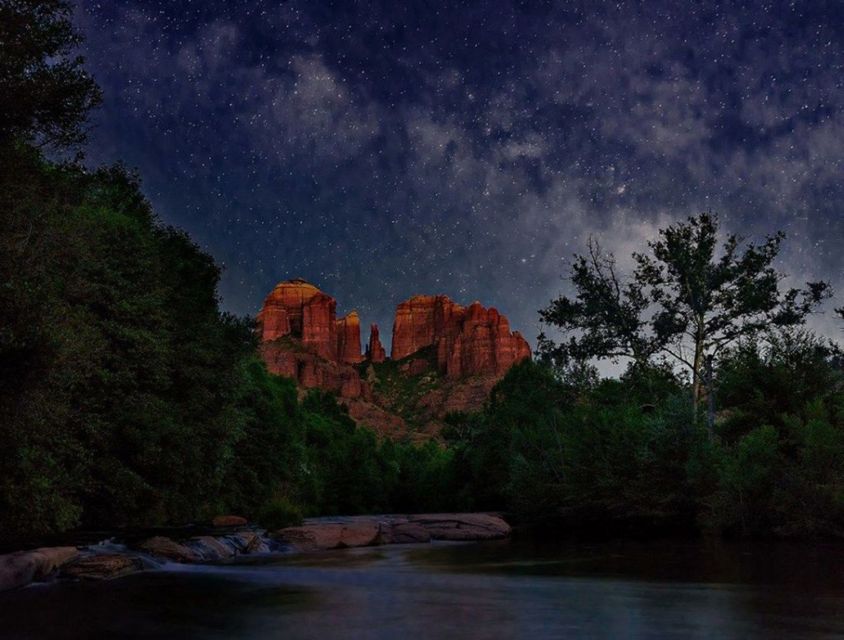
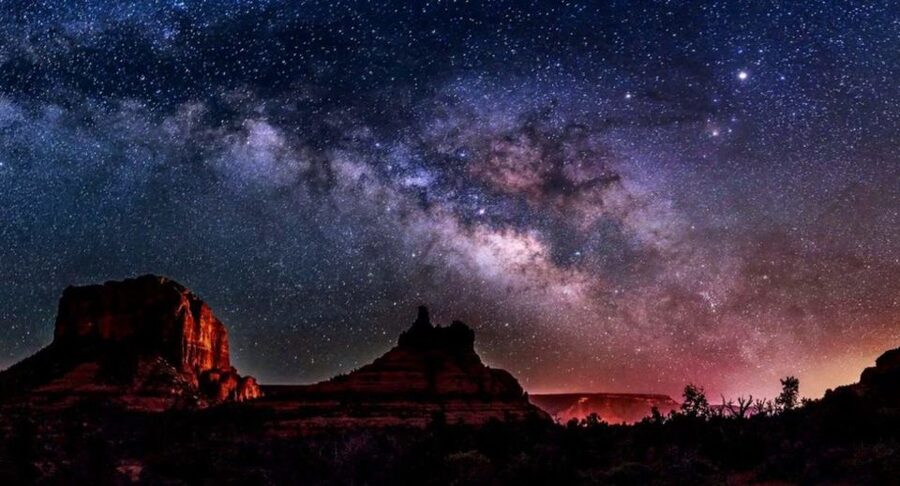
Sedona at night can be ordinary. Then the sky turns weird. This Sedona Nighttime UFO & Stargazing Tour mixes true-dark-sky stargazing with UFO spotting, guided storytelling, and 3rd generation night vision goggles that let you see more than your eyes can catch. I like that it’s built for small groups, so you spend more time looking up and less time waiting for instructions. In practice, the guides bring the fun too. Guides like Tom (and others) keep the mood upbeat while pointing out what you’re seeing and where to look next.
The main consideration is the tradeoff: you get just one hour, and when skies are cloudy the tour may get canceled. So it’s a good pick if you’re ready to commit to the right night, dress for the cold, and jump in quickly once you’re on location.
In This Review
- Quick Take
- Night Vision Goggles in Sedona: What Makes This Tour Different
- UFO Guides Like Tom, Mike, John, and Gloria Bring the Story—and the Rules
- The Hour-Long Flow After Sunset: From Naked Eye to Night Vision Finds
- What You Might See Above Sedona: Satellites, Shooting Stars, and UFO-Looking Lights
- Goggles for All: Price, Small Group Size, and the Real Value of $160
- Practical Tips: What to Bring and How to Stay Comfortable
- Weather and Timing: Why Clouds Can Steal Your Best Night
- Should You Book This Sedona Nighttime UFO & Stargazing Tour?
- FAQ
- How long is the Sedona Nighttime UFO & Stargazing Tour?
- Is pickup or drop-off included?
- What time does the tour start?
- What should I bring?
- Are the night vision goggles shared?
- What happens if the weather is cloudy?
Quick Take
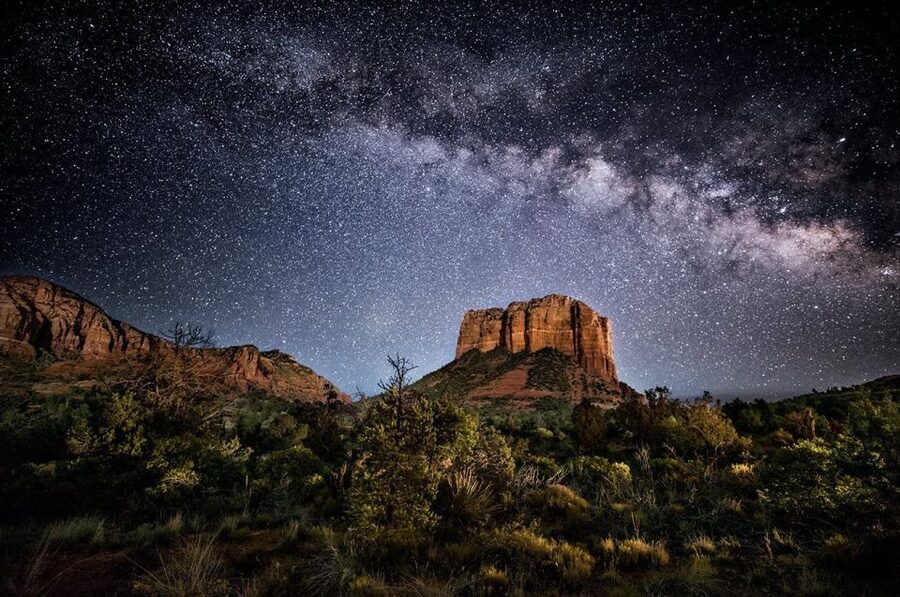
- 3rd generation night vision goggles help you spot faint stars and moving objects you’d miss naked-eye
- Small group size (up to 4 participants) keeps the experience focused
- After-sunset start times vary every other week, with a text sent the day before
- UFO guide tracking includes flashing lights and odd movement patterns around the mountains
- You might catch the known stuff too, like satellites and shooting stars, alongside the unidentified lights
Night Vision Goggles in Sedona: What Makes This Tour Different
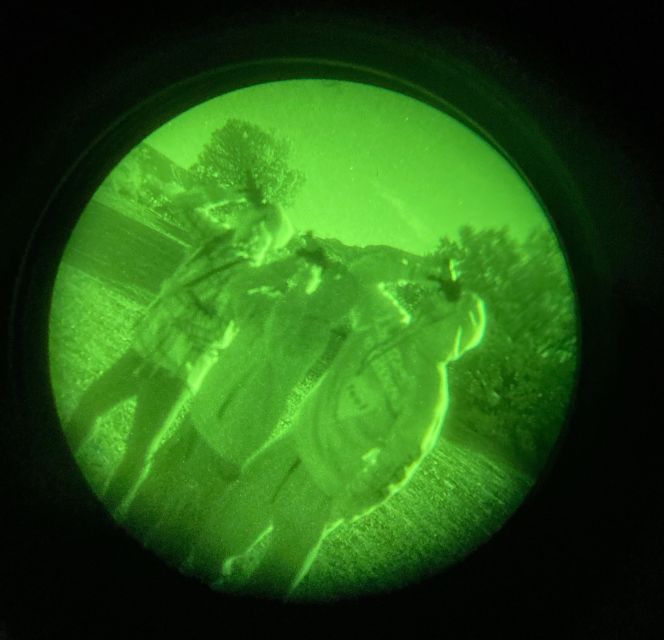
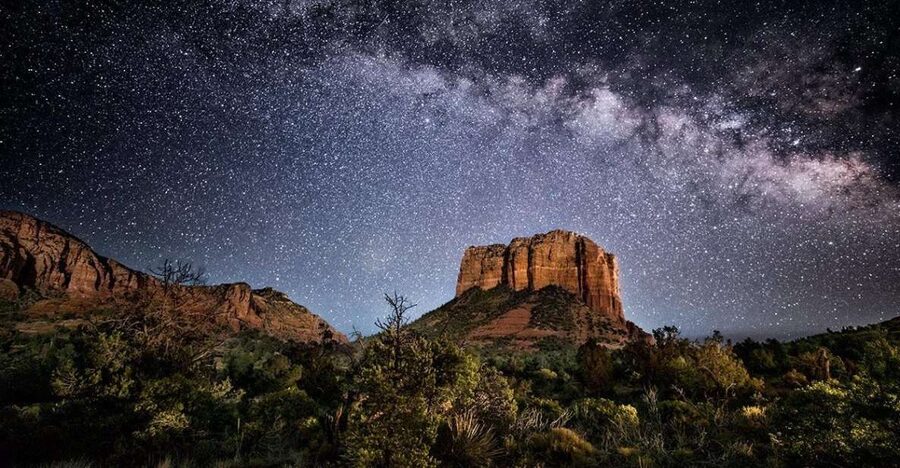
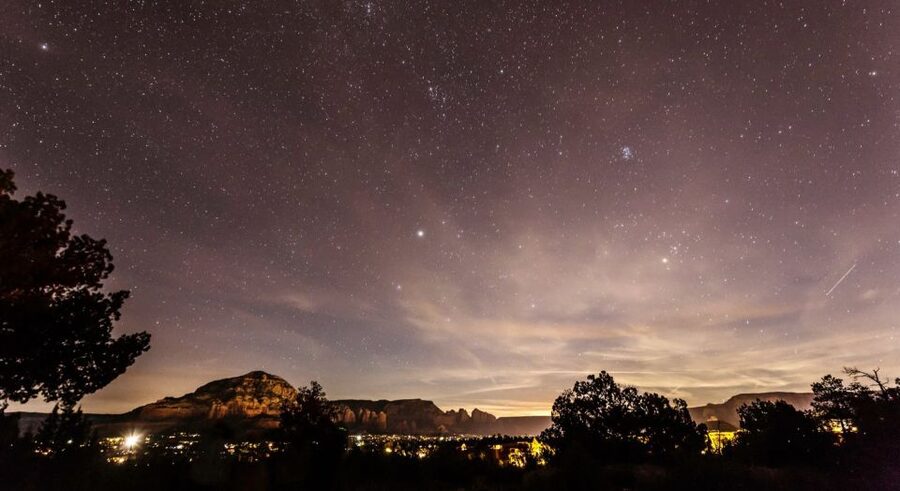
This isn’t a lecture in a chair. The heart of the experience is looking at the sky in two modes: first the natural view, then the view through night vision. Sedona’s big advantage is that the area is famous for dark-sky moments—on the right night, the sky can feel huge and uncluttered. Then the goggles change the whole scale. Lights that look like nothing or a simple point at first can suddenly look like more complex shapes and motion.
The tour is also very clear about what you’re buying: the equipment time and the guided sky search. The highlights emphasize that it’s 3rd generation night vision gear, and the description states you do not have to share a goggle. That matters because shared gear is a common reason astronomy tours feel frustrating. Here, the goal is that your group spends more time actively scanning.
There’s also a fun framing device: a UFO guide who treats what you see like a mystery you can track. So even if you’re more curious than convinced about aliens, the tour gives you a structure for watching—where to point, what kinds of motion stand out, and how to compare what you’re seeing to more normal sky visitors.
Look up at more stargazing and night-sky tours over Sedona
UFO Guides Like Tom, Mike, John, and Gloria Bring the Story—and the Rules
A good night sky guide does two jobs at once: they help you aim, and they help you interpret. The names that show up most in past groups include Tom, Mike, and John, plus guides like Gloria and Anita. Each guide leans into the UFO theme, but the consistent thread is how they handle the information: they point out the sky items you can recognize, then they help you pay attention to the unusual stuff—flashing patterns, changes in apparent size, and objects that seem to weave around the terrain.
What I like about this approach is that it gives you permission to be both curious and careful. You aren’t being told to ignore the science. Instead, you’re being asked to look closely enough that you can separate common explanations (like satellites or shooting stars) from what still feels unknown after careful watching.
And the guides clearly know how to keep the tone light. One-hour tours can drift into awkward pacing, but the most upbeat accounts of the experience describe the guide as engaging and fun—someone who makes you feel like the sky is a shared event, not just a silent, cold wait.
The Hour-Long Flow After Sunset: From Naked Eye to Night Vision Finds
Plan on this being a fast-moving session. The tour starts after sunset, and the exact timing changes every other week, so don’t rely on guesswork. You’ll get a text from your guide the day before with the exact time and location. If you’re the type who likes to double-check (good habit), the instructions also tell you to contact the provider on the day of your tour for the exact meeting time.
Once you arrive, here’s the likely rhythm you should expect:
- Meet at the Sedona-area location where the guide can work with the night sky conditions (pickup and drop-off are not included, so you’ll handle your own arrival).
- Start with naked-eye stargazing for a baseline. This matters because you’ll notice the difference once the goggles go on.
- Switch to the 3rd generation night vision goggles and begin a guided scan. This is where the “how did I miss that?” reaction kicks in for many people.
- Track the objects the guide identifies as notable. The description calls out things like flashing lights and objects that appear to change size quickly or wind in and out around the mountains.
- Finish within the one-hour window, with time for you to keep watching until the session wraps.
The goggles shift your whole perception of brightness and motion. Several accounts mention seeing significantly more stars and satellites than they could spot with the naked eye, and also catching moving points that became obvious only with the equipment.
One practical drawback to keep in mind: nighttime equipment + mountain wind can equal discomfort fast. Bring warm clothing. The guide may have items like blankets on hand in cold weather, but don’t bet your comfort entirely on that.
Also, your location may matter more than you think. One account noted that the tour can run out of a parking-lot style setup, which can mean cars or other people distract you. If that would bother you, dress for comfort and be mentally ready for a few interruptions. The real magic is what you see when your focus goes back upward.
What You Might See Above Sedona: Satellites, Shooting Stars, and UFO-Looking Lights
This tour sits at a very specific intersection: real sky objects you can often explain, and unidentified phenomena that keep your attention locked. In the stories you’ll read about this tour, a few “known” things pop up often enough to be useful for your expectations:
- Satellites: One group specifically mentioned Starlink being visible even with the naked eye, which helps you understand how busy the modern sky can be.
- Shooting stars: Multiple accounts mention seeing shooting stars during the session.
- More moving lights once the goggles are on: People describe seeing far more activity than they expected.
So here’s my advice for you: treat this as a guided watching game. When something pops into view, try to hold two thoughts at once. First, ask what it might be (satellite, aircraft, meteor). Second, follow the guide’s direction to see if the motion and behavior match the patterns you’ve been told are unusual.
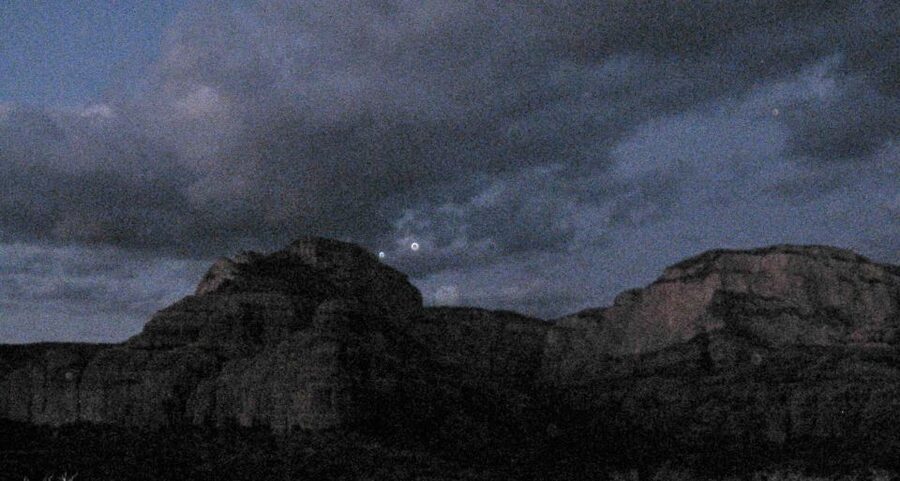
The description for the tour highlights exactly what you’re supposed to watch for: flashing lights, objects that seem to change size rapidly, and movements that feel like they thread through the mountain silhouettes. When those features happen, your brain automatically wants to label it as UFO activity—and that’s part of the experience.
Just remember: the sky is full of optical tricks. Fast movement, cloud edges, reflections, and different altitude can all make lights behave oddly to your eyes. The value of the tour is that the guide helps you separate normal sky behavior from the truly weird moments you’ll still be thinking about the next morning.
Goggles for All: Price, Small Group Size, and the Real Value of $160
The stated price is $160 per person, and the tour details say it’s priced per goggle, not per person. The highlight specifically claims this company is one where you do not have to share a goggle, which is a big deal for a night vision experience.
Why does that matter? Because night vision time is the product. If you have to share, you lose scanning time and you’ll end up waiting while someone else adjusts focus. The small group size—limited to 4 participants—also supports the idea that everyone gets time at the equipment and at the best angles.
There is one consideration you should take seriously: one past booking mentioned an equipment mismatch (promised multiple sets but only one set provided for a group). That doesn’t invalidate the overall claim, but it does mean you should confirm what each person will have access to when you book. A quick message to the provider the day of the tour can prevent a lot of frustration.
Value-wise, here’s how I’d frame it. You’re paying for:
- Guided tracking for about an hour
- 3rd generation night vision gear
- UFO-focused narration plus stargazing help
If you want a simple star-viewing walk with a telescope from a distance, this isn’t that. If you want to see a lot in a short window—especially on a trip where you only have one or two nights in Sedona—this can feel worth it, because it compresses the fun into one timed session.
Also note: pickup and drop-off are not included. So your “real” total cost includes your own driving or rideshare to the meeting spot.
Scan the skies on more UFO night tours around Sedona


Practical Tips: What to Bring and How to Stay Comfortable
This is a night tour, so comfort isn’t optional.
Bring:
- Warm clothing (the sky stays cold longer than you expect after sunset)
- Layers that you can adjust if you move between goggles scanning and waiting
Not allowed:
- Smoking
- Food and drinks
One more tip: since you’ll be looking up for an hour, think about your body. If you’re the kind of person who gets stiff easily, wear shoes you can stand in for a while and avoid bottoms that force you to stay in one posture all night. The tour is short, but it’s intense.
And if the guide provides blankets in colder conditions, take that option. Even if you feel fine at the beginning, wind can change your comfort fast once you’re standing still.
Weather and Timing: Why Clouds Can Steal Your Best Night
The experience starts after sunset, and the timing shifts every other week. That’s already a reason to be flexible with your Sedona schedule. Then comes the bigger wild card: the tour may get canceled if the weather is too cloudy.
So what should you do?
- Plan for a backup night, if your itinerary allows.
- Don’t book this as the only nighttime activity you have.
- If clouds show up late in the day, keep your plans flexible.
The upside is that the tour emphasizes a clear process: meet at the confirmed location, look first with the naked eye, then use the night vision. When conditions cooperate, you get a clean, high-contrast session where stars and moving lights stand out.
Should You Book This Sedona Nighttime UFO & Stargazing Tour?
I think you should book if:
- You want a high-focus, short night experience in Sedona
- You’re curious about UFO stories, but you also like stargazing basics
- You care about getting real viewing time with night vision goggles
- You’re okay dressing for cold and committing to the right after-sunset window
You might skip it if:
- You hate cold nights and standing still for an hour
- You need a super long, sit-and-stare astronomy format
- You want hotel pickup or a car-to-lookout roundtrip (this tour doesn’t include pickup or drop-off)
- You’re uncomfortable with the chance of cancellation due to clouds
If you go in expecting a guided sky hunt—part science, part mystery—you’re set up to have a night that feels genuinely different from the usual Sedona “sunset and dinner” routine.
FAQ
How long is the Sedona Nighttime UFO & Stargazing Tour?
The tour runs for 1 hour.
Is pickup or drop-off included?
No. Pickup and drop-off are not included.
What time does the tour start?
It starts after sunset, and the exact meeting time changes every other week. You’ll receive a text the day before with the exact time and location, and you may need to contact the provider on the day of your tour for the exact meeting time.
What should I bring?
Bring warm clothing, since you’ll be outside at night.
Are the night vision goggles shared?
The tour information states you do not have to share a goggle, and that the price is per goggle.
What happens if the weather is cloudy?
The tour may get canceled if the weather is too cloudy.
More UFO Night Tours around Sedona

More Stargazing & Night-Sky Tours over Sedona

More Tour Reviews worth a look around Sedona




Not quite your trip? Here is more to see and do around Sedona





Stargazing & Astronomy Nights, compared.
 ★ 4.5Sedona Stargazing Tours LLCFrom $89881 reviews
 ★ 4.5The Original Sedona UFO and Stargazing Night TourFrom $155269 reviews
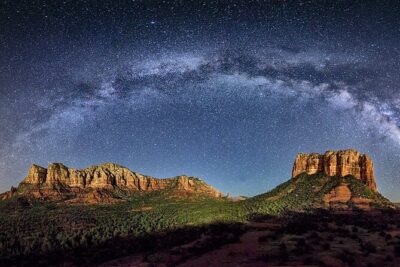 ★ 4.5The Night Sky Star Story, Galaxy, and Sedona Story TourFrom $100243 reviews
 ★ 5.0Sedona Dark Sky Sunset & Night Hike With a Private GuideFrom $18586 reviews
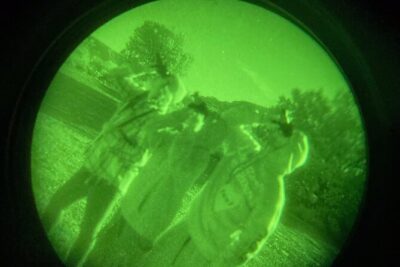 ★ 4.5Sedona UFO/Stargazing Tour (price per goggle not per person)From $16047 reviews
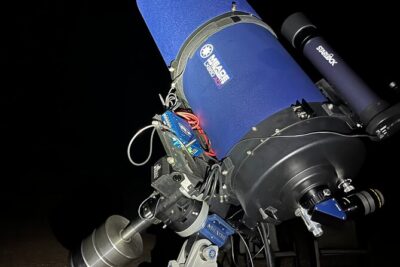 ★ 5.0Stargazing Tour with Telescopes and Video Astronomy in SedonaFrom $12540 reviews
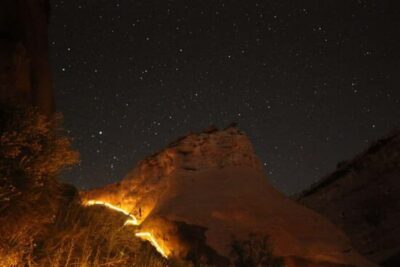 ★ 4.5Page: Antelope Valley Canyon Stargazing Night HikeFrom $6537 reviews
 ★ 5.0Sedona Full Moon MeditationFrom $13016 reviews
Browse the lists this tour appears in