
Reviewed · STARGAZING & ASTRONOMY NIGHTS
Stargazing Tour with Telescopes and Video Astronomy in Sedona
Sedona nights become a hands-on astronomy class. This stargazing tour takes you off the main lights and uses laser-guided sky tours plus telescopes to show planets and far-off objects in a way that feels current and easy to follow. The best part for me is the way the night’s story moves from constellations to faint targets without leaving anyone behind.
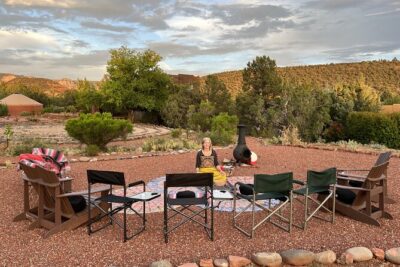
I also really like the setup: small group size (up to twelve), plus chairs and blankets you can relax into while you learn. The guide, Chris (with assistant Kim in some sessions), does a great job keeping the pace moving and making room for questions, even when it’s cold enough that you’d rather not hold still for long.
One thing to consider: the experience depends on weather and on getting everyone positioned in a dark-sky area with uneven ground. If clouds move in or you’re sensitive to nighttime terrain, you may not get the same steady show the tour is built for.
In This Review
- Quick Hits Before You Go
- Getting Out of Sedona Light Pollution (And Why It Matters)
- The Laser Sky-Show: Learning Constellations Fast
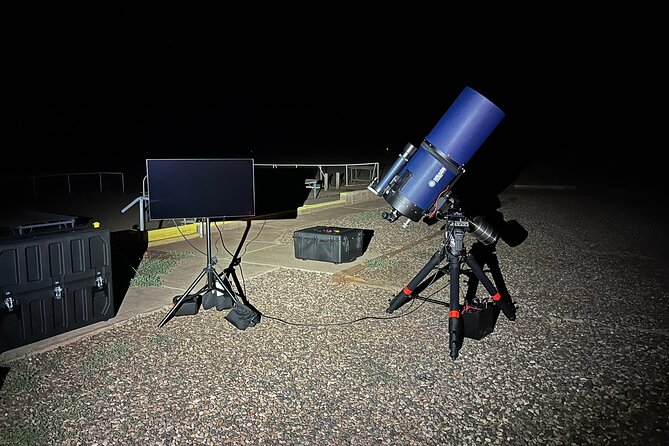
- Telescopes Plus Live Video on a 4K OLED Screen
- What You’ll Likely See: Planets, Galaxies, Nebulae, Clusters
- The Only Stop: How the Night Unfolds From Start to Finish
- Comfort in the Desert: Chairs, Blankets, and Cold-Night Reality
- Price and Value: Is $125 Worth It?
- Who Should Book This Sedona Stargazing Tour?
- Weather, Time, and Expectations That Save Your Night
- Should You Book Night Owl Tours in Sedona?
Quick Hits Before You Go
- Dark-sky sites with reduced light pollution, including USFS managed forest land and private ranches
- Laser tracing of constellations, with pointers to things like the Milky Way, planets, and satellites
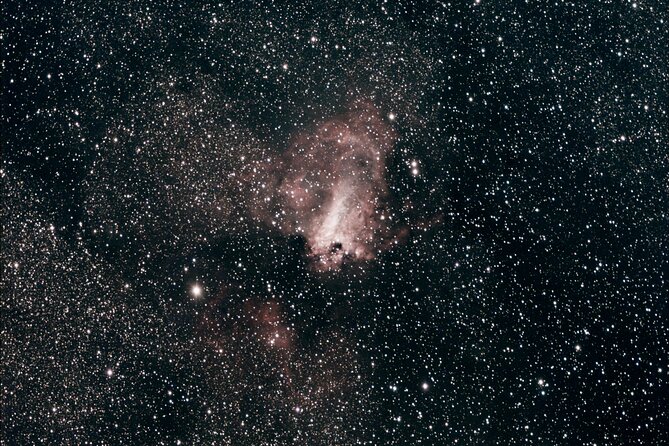
- Live video astronomy on a 4K OLED TV, so you can see faint objects without fighting with tiny eyepieces
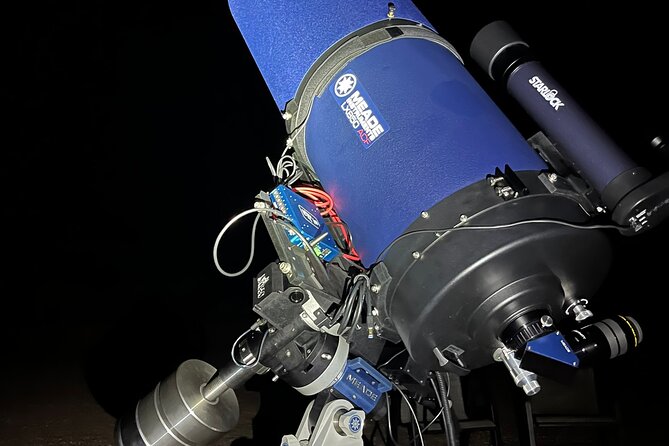
- Large-aperture telescopes with observatory-class gear for serious viewing
- Save your favorite images from the video astronomy session at the end of the tour
Getting Out of Sedona Light Pollution (And Why It Matters)
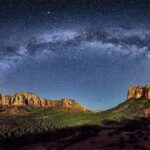
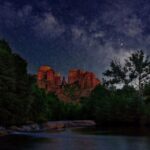
Sedona has gorgeous views in daylight, but the real challenge starts after dark: city glow washes out stars you’d swear should be visible. This tour is built around going to darker land away from the worst lighting, including areas managed by USFS and private ranch property. That choice makes a practical difference—more stars show up, the Milky Way is easier to spot, and faint objects look less like distant pinpoints and more like actual targets.
You’ll start in Sedona (meeting point details are provided with booking), then head out to the observing area where the telescopes get set up. Because the experience is short—about 1 hour 15 minutes—you want the group to spend that time looking, not wasting it on a long drive and late positioning. The tour’s format is designed for that.
If you’re the type who likes a clear plan, this helps: even though it’s outdoors, the structure is consistent enough that you’ll know what’s coming next. You’ll also appreciate that the guide uses both teaching and pointing methods, so you’re not just standing around waiting for your turn.
Look up at more stargazing and night-sky tours over Sedona
The Laser Sky-Show: Learning Constellations Fast
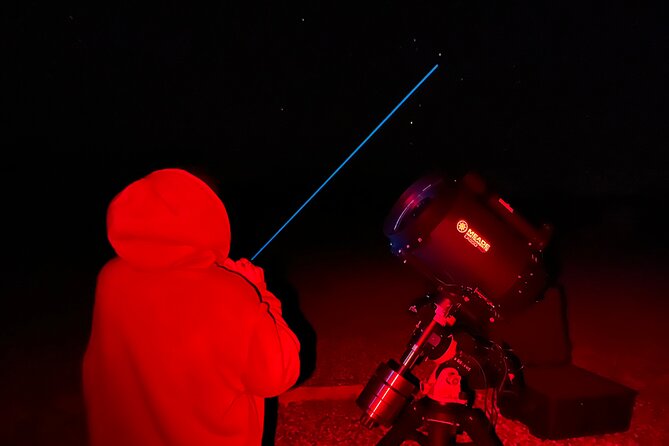
Once you’re at the dark-sky site, the tour kicks into “you can actually follow this” mode. Your guide uses a laser to trace constellations and point out interesting objects overhead. That’s not just for fun. With a laser, you can connect the pattern you’re seeing right now to the way astronomers describe the sky.
Expect stops that may include:
- Constellations and how to find them
- The Milky Way (when the sky supports it)
- Planets
- Meteor showers or passing satellites, if conditions and timing line up
The guide’s approach often feels like it has two layers: first a quick answer you can use immediately, then a more scientific explanation if you want it. Chris, in particular, tends to combine facts with stories and humor—so the learning doesn’t feel like a lecture in the dark.
If you’ve tried to learn the night sky on your own, you already know the problem: you’re staring at a moving map in your head while the sky changes every minute. Here, the laser makes the sky “sticky,” helping you orient yourself faster than with a phone screen alone.
Telescopes Plus Live Video on a 4K OLED Screen
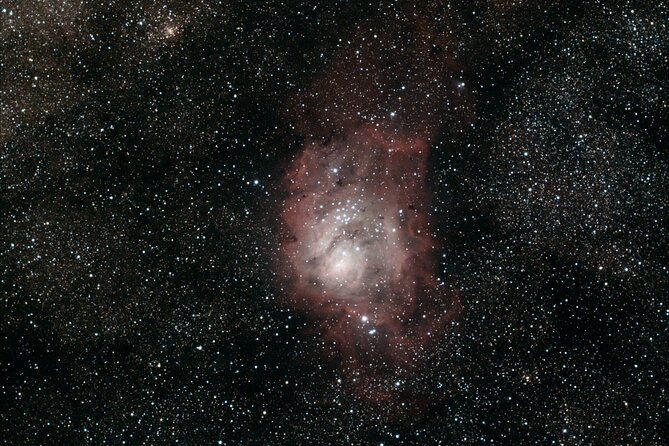
Here’s the key difference between this and the usual “look through the eyepiece” tours: you don’t only rely on what you can physically see through a scope. The equipment uses cameras to capture faint objects and stream the feed to a 4K OLED TV, so everyone can watch in real time.
This matters because:
- Many deep-sky targets are hard to see directly, especially for first-timers
- Eyepieces mean you get one person’s view at a time
- With a shared screen, you can all compare what the sky looks like versus what the telescope is picking up
From the gear side, the tour uses premium large-aperture telescopes and “observatory-class” equipment, with a setup that blends direct viewing and projection. In some sessions, one telescope may be used for hands-on viewing while another helps find and feed images to the screen, depending on what they’re targeting that night. Either way, you’re getting a mix of direct and assisted viewing—so your night doesn’t hinge on perfect eye placement and perfect eyesight.
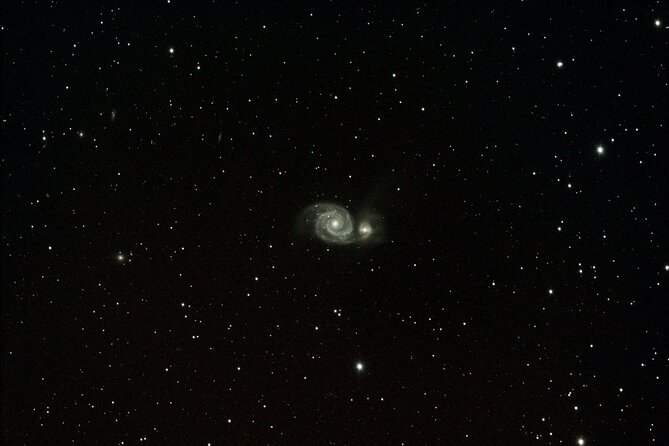
And when faint objects do show up, the screen presentation can make it feel like the telescope is teaching you how to see. Even if you only catch a few targets, you’ll likely leave with a much clearer sense of where galaxies, nebulae, and star clusters “fit” in the sky.
What You’ll Likely See: Planets, Galaxies, Nebulae, Clusters
The sky tour is built for variety. Even in the best-case conditions, the sky won’t give you every famous object on demand, so the guide’s job is to select targets that are realistically visible that night.
From what’s emphasized in the experience, you can plan around:
- Planets in our solar system (and their moons, when visible)
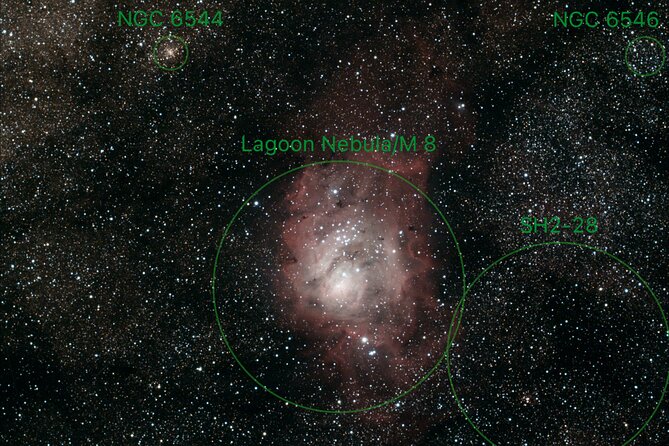
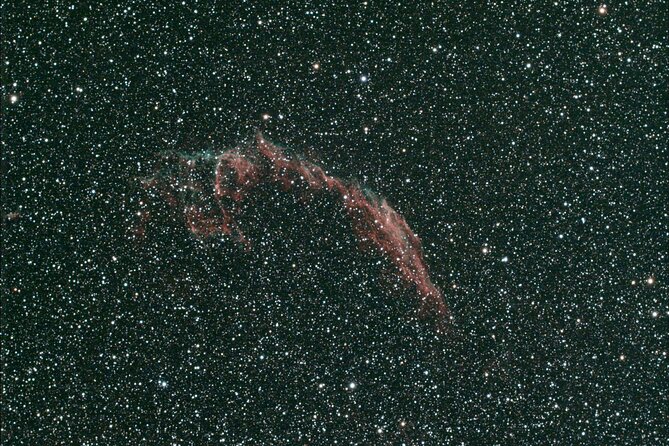
- Star clusters, nebulae, and galaxies as the deep-sky highlight
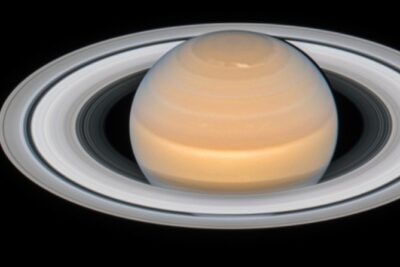
- Common “anchor” targets you’ll hear about in astronomy circles, like the rings of Saturn if conditions cooperate
- A broader sweep of objects connected to constellations the laser traces
One reason this mix works for beginners: planets are bright and easy to “get,” while deep-sky objects are the payoff for the patience you’ve built up with constellation-finding. The screen helps you cross that bridge. Instead of guessing what you might be seeing, you can track the guide’s pointing and then confirm it with the telescope feed.
If clouds roll in, or the sky doesn’t cooperate, you may still learn and see something—but the viewing can change. The tour requires good weather, and the guide has to adapt when visibility drops.
The Only Stop: How the Night Unfolds From Start to Finish
This is a single-session experience—meet, drive, set up, observe, then return. That simplicity is good news if you’re short on time. You’re not juggling multiple parts of a day.
A typical flow looks like this:
- Meet in Sedona, then get directions and head to the dark-sky site.
- Settle in with chairs (and often blankets in colder months).
- Laser sweep and constellation lesson, building your orientation fast.
- Telescope viewing and video astronomy, alternating between what the scope shows through eyepieces and what the camera captures to the screen.
- Photo saving at the end—so your favorite objects aren’t limited to memory.
The short duration also means the guide can keep momentum. It’s not an all-night stargazing party. It’s a focused “show + teach” format.




Comfort in the Desert: Chairs, Blankets, and Cold-Night Reality
Sedona can be cool after sunset, especially in fall and winter. This tour doesn’t ignore that. Blankets and chairs have shown up as part of how the experience is run, which is smart: if you’re sitting comfortably, you’ll actually stay with the program instead of checking your watch.
Also, keep your expectations realistic. You’re in a dark area at night. Even if it’s only a short walk from the vehicle, the terrain can be uneven and the ground can be harder to navigate after dark.
Plan to dress for cold rather than assuming it’ll feel like evening in town. You’ll also want a calm attitude about waiting a few minutes while equipment is set and targets are lined up. One negative theme that can pop up in any small tour is pacing when conditions are tough—so don’t schedule something critical right before or right after.
Price and Value: Is $125 Worth It?
At $125 per person, you’re paying for more than a guide and a telescope. You’re paying for:
- Small group dynamics (up to twelve people)
- Specialized equipment that combines telescopes with live video astronomy
- Access to darker sites, including USFS managed land and private ranch property
- Setup time, coaching, and the time it takes to show multiple types of objects
If you’ve priced other stargazing nights in the Southwest, you’ll know that basic “point and look” tours can be cheaper—but often they don’t solve the beginner problem: you might only catch a couple of bright targets before the night runs out.
This one is more expensive than the cheapest options, but it offers extra value through the screen-based viewing. That shared view is especially useful if you’re coming as a couple, a family, or a group where not everyone can get the same eyepiece view. It also gives you a better chance of “seeing the good stuff” quickly, since the camera feed helps pull faint objects into view.
My practical take: if you’re in Sedona for just a few days and want a high-impact astronomy experience without needing to bring your own gear, $125 feels like a fair trade for a small-group, technology-assisted night.
Who Should Book This Sedona Stargazing Tour?
This tour is a good fit if you want:
- A guided way to learn the sky, not just random star spotting
- A blend of direct telescope viewing and video astronomy
- A relaxed pace with seating and room for questions
- An experience built around dark-sky access, not a back-of-a-strip mall parking lot
It may be less ideal if:
- You’re under seven years old (the tour may not be suitable)
- You have difficulty negotiating uneven terrain in low light
- You’re expecting a totally guaranteed long list of objects, no matter what the weather does
If you’re an astronomy hobbyist, you’ll still likely enjoy it because the guide’s focus on how to find things and what you’re actually looking at is practical, not vague. If you’re new to astronomy, the laser tracing and screen views do the heavy lifting for you.
Weather, Time, and Expectations That Save Your Night
Because the tour requires good weather, it’s worth thinking of this as a plan that depends on conditions overhead. If clouds or poor visibility roll in, the experience may shift and visibility can drop. That’s not a failure; it’s just how observing works.
Also, timing matters. The whole event is about a little over an hour, and the night sky changes quickly. Show up when you’re told and be ready to move calmly when the guide calls it.
And one more practical point: the meeting spot can be handled in a way where you don’t know every detail until closer to departure. Keep an eye on your confirmation details and directions so you can find the start location without stress.
Should You Book Night Owl Tours in Sedona?
If you want one standout night activity that mixes learning, serious sky viewing, and technology that makes faint objects easier to see, this is an easy yes. The combination of laser-guided constellations, large-aperture telescopes, and live 4K screen views is the winning recipe—especially if you’re not bringing a telescope yourself.
I’d skip it only if you’re worried about cold desert conditions, uneven ground at night, or you need guaranteed visibility no matter the weather. Otherwise, book it, dress warm, and go in ready to look up with both curiosity and patience.
More Tours worth a look around Sedona
More Stargazing & Night-Sky Tours over Sedona


More Tour Reviews worth a look around Sedona
Not quite your trip? Here is more to see and do around Sedona




Stargazing & Astronomy Nights, compared.
 ★ 4.5Sedona Stargazing Tours LLCFrom $89881 reviews
 ★ 4.5The Original Sedona UFO and Stargazing Night TourFrom $155269 reviews
 ★ 4.5The Night Sky Star Story, Galaxy, and Sedona Story TourFrom $100243 reviews
 ★ 4.4Nighttime UFO & Stargazing TourFrom $160148 reviews
 ★ 5.0Sedona Dark Sky Sunset & Night Hike With a Private GuideFrom $18586 reviews
 ★ 4.5Sedona UFO/Stargazing Tour (price per goggle not per person)From $16047 reviews
 ★ 4.5Page: Antelope Valley Canyon Stargazing Night HikeFrom $6537 reviews
 ★ 5.0Sedona Full Moon MeditationFrom $13016 reviews
Browse the lists this tour appears in