
Reviewed · ANTELOPE CANYON SLOT TOURS
Page: Antelope Valley Canyon Stargazing Night Hike
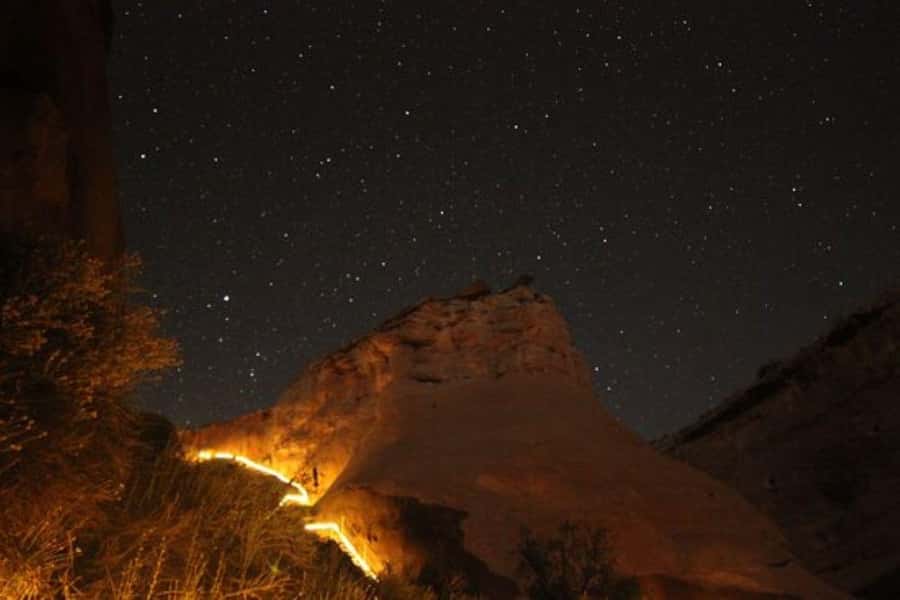
A moonless sky turns Page into a planetarium. This Antelope Valley Canyon night hike pairs tight slot-canyon walking with guided stargazing focused on the constellations you can actually spot at night. I like that it’s built around the simple, powerful combo of dark skies plus an expert guide who tells the stories behind what you’re seeing.
I also really like the payoff: you’re aiming to look up at the Milky Way Galaxy’s center from inside the canyon walls, not from a random roadside view. You’ll meet your guide at the Antelope Valley Canyon parking lot, walk into position, then pause for a sky-focused break before heading back. One thing to keep in mind: the tour is only about 2 hours, so the pace can feel brisk, especially in larger groups.
In This Review
- Key Things I’d Bet You’ll Love
- Why Antelope Valley Slot Canyons Make Stargazing Feel Different
- What Happens on the 2-Hour Hike, Step by Step
- The role of your guide (and why it matters)
- The Milky Way Moment: What You’re Aiming to See
- Constellations and Stories: Fun Learning Without Feeling Like School
- Price and Navajo Permit Fees: What $65 Actually Buys
- Quick value check
- What to Bring (So You’re Comfortable in Cold Slot-Canyon Night Air)
- Group Size, Pacing, and When the Experience Feels Rushed
- Who This Tour Is Best For (And Who Should Skip It)
- Great match
- Not suitable
- Weather Reality: Moonless Plans, Cloudy Nights, and Flexibility
- Should You Book This Antelope Valley Canyon Stargazing Hike?
- FAQ
- Where do I meet for the Antelope Valley Canyon stargazing night hike?
- How long is the tour?
- How much does it cost?
- What’s included in the price?
- Do I need to pay an extra Navajo fee?
- What should I bring?
- Is flash photography allowed?
- Is the tour suitable for young children or everyone?
Key Things I’d Bet You’ll Love
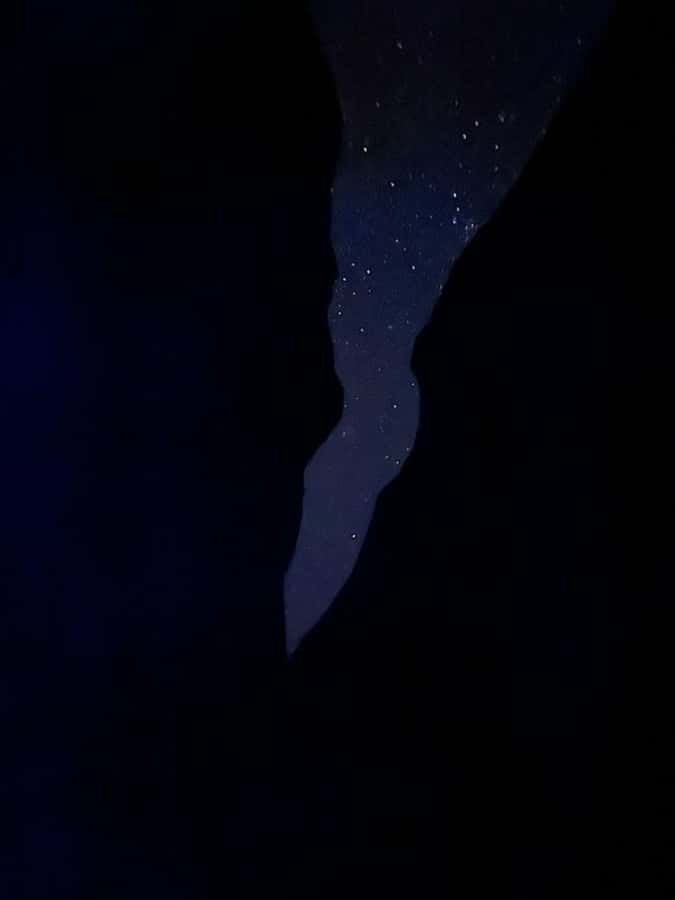
- Milky Way center focus: not just “stars,” but where to look for the core of the galaxy
- Moonless-night setup: the experience is designed around dark skies
- Guide-led constellation stories: you’re taught what you’re seeing and why it matters
- Headlamp included: you get the light you need without fussing with gear
- Slot-canyon framing: the canyon walls make the sky feel close and dramatic
Why Antelope Valley Slot Canyons Make Stargazing Feel Different
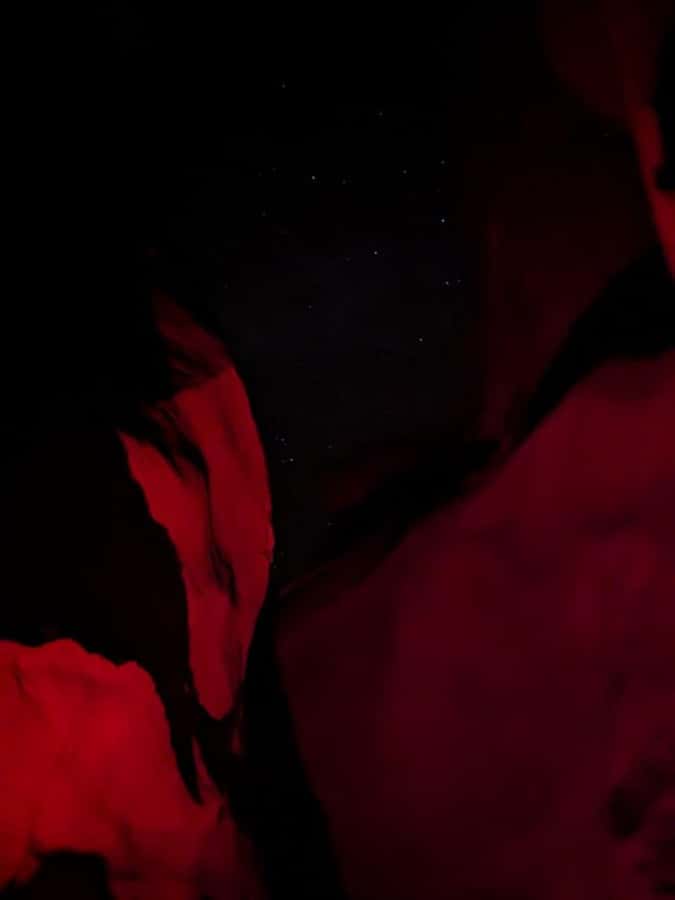
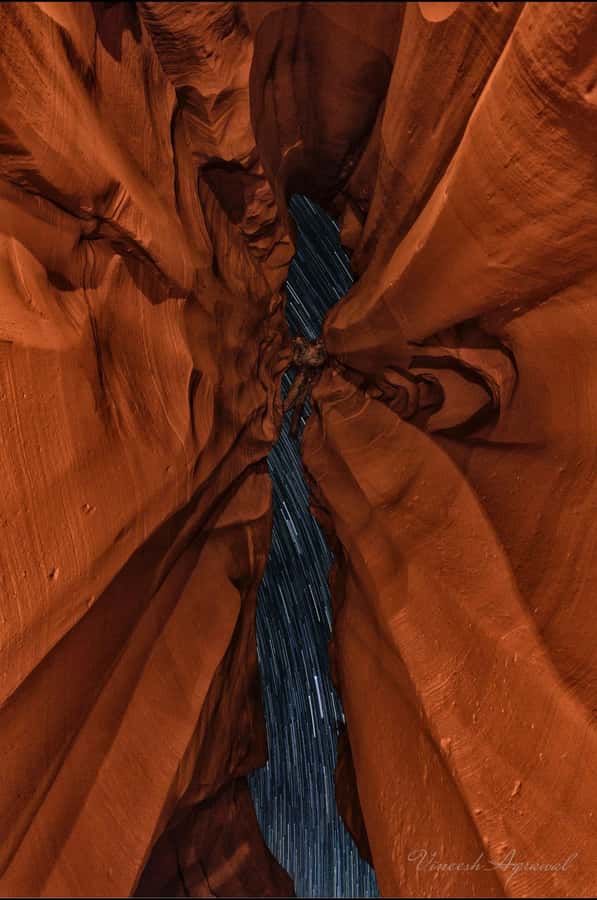
Antelope Valley Canyon sits in the same Page, Arizona area where people come for daytime magic—but at night the experience changes shape. When you walk through slot canyons after dark, your brain stops expecting “wide open space.” Instead, you’re surrounded by rock lines that funnel your attention upward.
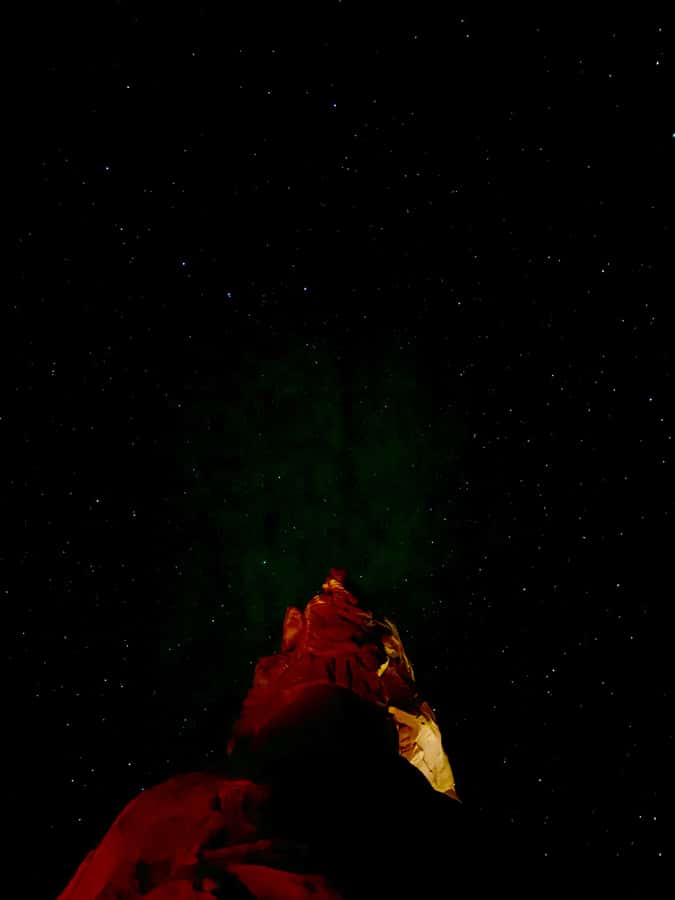
That’s the value of this format. You don’t just look at a sky; you watch it take center stage while the canyon becomes a natural frame. In a good night-sky session, your eyes adjust, and suddenly constellations stop being vague ideas and become points you can trace. This tour is built to get you into that moment.
The other key ingredient is the moonless night idea. If the moon is out, it brightens the sky and washes out faint stars. With a moonless setup, the sky has more contrast, so the guide’s constellation pointers land better.
Still mapping out your days? Browse more red-rock tours and experiences around Page Arizona.
What Happens on the 2-Hour Hike, Step by Step
This is a short night program, which is honestly a plus if you don’t want to spend hours trudging in the dark.
You’ll start at the Antelope Valley Canyon parking lot and meet your guide. Then you set off on a guided walk through the slot canyon area. As you go, you’ll learn about the region’s history and geology—the kind of information that gives the scenery meaning, even when you’re mainly focused on where to step next.
At some point, the group reaches a chosen spot for stargazing. This is when the tour shifts from walking to looking. You’ll take a break, tilt your chin up, and spend time identifying constellations and hearing the stories associated with the patterns in the sky.
After the sky break, you return to the parking lot to end the tour. It’s a simple loop, but the structure matters. A short hike means you don’t burn daylight waiting, and it keeps the stargazing window tight enough to make the most of dark adaptation.
The role of your guide (and why it matters)
A stargazing trip lives or dies by guidance. On this one, your guide helps you connect what you see to the stories behind it. In at least one case, the guide was specifically praised—Wally was called out as awesome—so if you’re the kind of person who enjoys learning as you look, this format fits your style.
The Milky Way Moment: What You’re Aiming to See
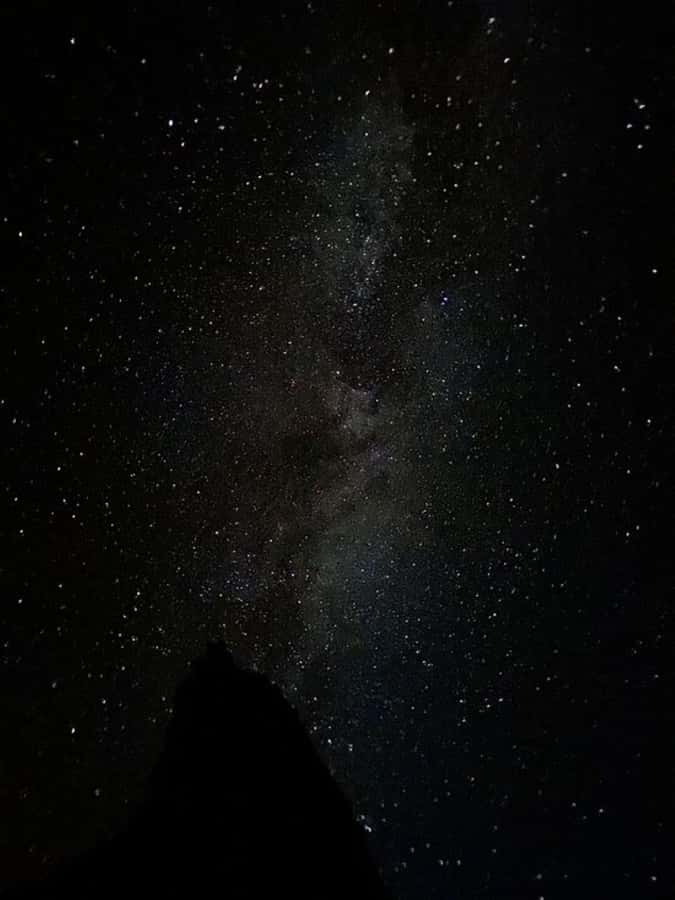
The big headline here is the Milky Way’s center. That’s not a random “look at the stars” promise. It’s the specific target the guide is steering you toward, which helps you keep your bearings as your eyes adjust in the dark.
Here’s what you should do before you start scanning the sky:
- Keep your eyes on the guide’s directions rather than flitting around
- Give your eyes a minute to adjust to darkness
- Plan for patience—constellation spotting can feel slow until suddenly it clicks
Inside a canyon, you’ll also notice that the sky seems darker and more dramatic because the rock walls block distractions. You’re less tempted to check your surroundings repeatedly. That’s helpful because repeated head movement can break dark adaptation.
If the night is clear, you’re set up for that “wow” moment: the Milky Way’s central band and dense star fields. If it’s cloudy, your experience can change fast, and the operator may offer a refund or an alternate option. I’d treat the stargazing as weather-dependent and build flexibility into your plans.
Constellations and Stories: Fun Learning Without Feeling Like School
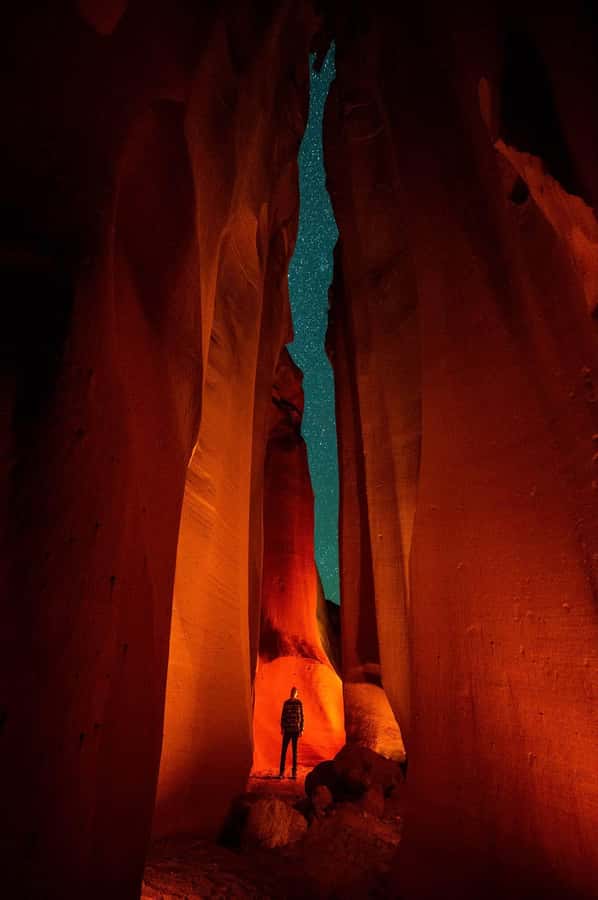
One reason I like guided stargazing is that it turns sky-watching into an actual skill. The guide doesn’t just name stars; the emphasis is on the stories behind the constellations. That gives you something memorable to hold onto, even after the hike is done.
You’ll learn what you’re looking at while you’re standing in the canyon and looking up. That matters because you’re not relying on a memory puzzle later. The guide cues you in real time, which speeds up understanding and helps you build a mental map.
Also, the experience is designed to connect you to “countless civilizations” through sky stories. Even if you don’t know the myths beforehand, you’ll come away with a sense that the night sky has been used as a shared reference point for a very long time.
Explore more Antelope Canyon slot tours from Page Arizona
Price and Navajo Permit Fees: What $65 Actually Buys
The base price is $65 per person for a 2-hour guided night hike plus the stargazing experience and headlamps. For night tours, that’s a reasonable value because it covers the guide, the timing, and the gear you’ll want in your hands the moment you start walking.
But the true cost doesn’t stop at $65. You’ll need an additional Navajo-related permit fee that isn’t included. The details in the info you provided list it two ways:
- an $8 Navajo Permit Fee (not included), and
- a Navajo Nation Park fee ($15 per person) (not included)
Because the exact number can vary depending on the program’s billing details, I’d confirm the current amount at checkout. Budgeting extra for that fee is the smart move.
Quick value check
This tour tends to be worth it if:
- You want a short, focused night hike
- You care about guided constellation interpretation
- You’re coming for Milky Way viewing, not just a canyon walk
It may feel less worth it if you expect a lot of long, hands-on stargazing time. One downside that comes up with group-based night tours is that you can feel a bit rushed. If you’re after a slow, quiet, long sky session, temper your expectations.
What to Bring (So You’re Comfortable in Cold Slot-Canyon Night Air)
This tour is short, but it happens at night in canyon country. Cold is part of the deal, and comfort makes the difference between enjoying the sky or concentrating only on feeling cold.
Bring:
- Comfortable shoes with good grip
- Warm clothing (nights can get cold)
- Water (bring enough for your comfort)
You’ll get a headlamp, but still dress like you’ll be outside longer than you think. Headlamps help you see the ground, yet you’ll still look up repeatedly, and cold air can sneak in.
A key rule: No flash photography. That’s not just a random policy—it helps keep night vision working for the whole group.
Group Size, Pacing, and When the Experience Feels Rushed
Night tours often balance two things: getting you to a good viewing spot and keeping the schedule moving. This one is only 2 hours, so it doesn’t have much slack. That’s great for efficiency, but it can also mean there’s less time for casual wandering or extra Q&A once the stargazing break begins.
If you’re someone who likes a calmer pace and smaller groups, ask about how the group is managed. Big groups can make it harder to have an unhurried feel, especially when everyone wants the same line of sight at the sky.
On the other hand, if you enjoy learning with a crowd and you’re happy following your guide’s rhythm, this structure works. You get the canyon walk, then a scheduled sky break, then back out.
Who This Tour Is Best For (And Who Should Skip It)
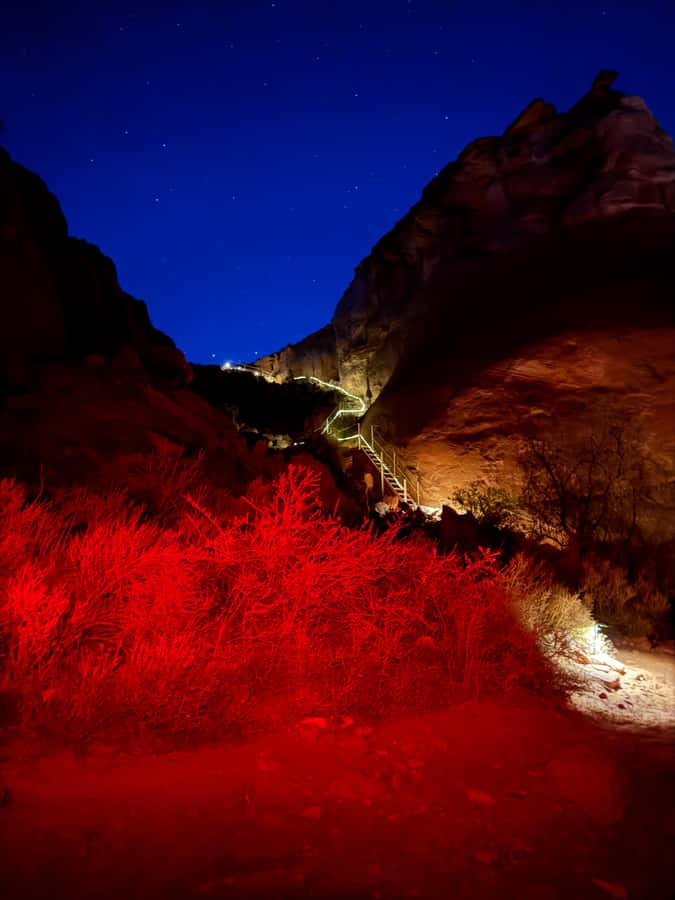
This experience fits best when you match the physical and mental vibe of a dark canyon hike.
Great match
- You’re comfortable walking at night
- You want a guided sky experience with constellation stories
- You’re excited about seeing the Milky Way center from a unique setting
Not suitable
The info you provided is clear that this isn’t for everyone:
- Children under 6
- People with mobility impairments
- People with claustrophobia
If you’re even a little nervous about tight canyon spaces in darkness, take that seriously. Claustrophobia and slot canyons don’t mix well, and a night hike removes some visual safety cues.
Also, wear shoes and clothes you can move in. You’ll be spending time under low light, and the ground matters.
Weather Reality: Moonless Plans, Cloudy Nights, and Flexibility
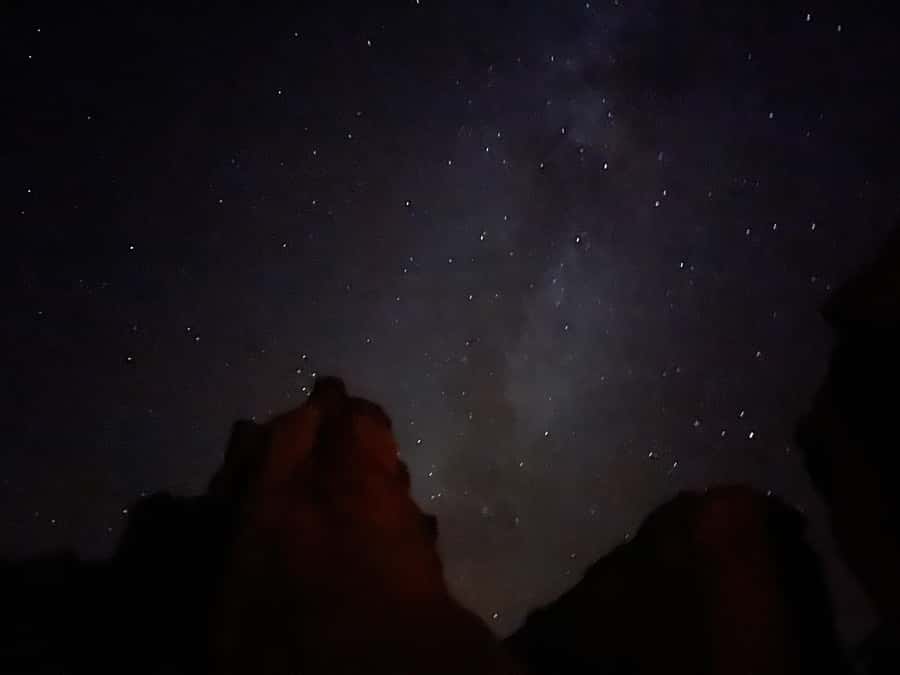
The goal is a moonless night with sky visibility. That’s the setup for great stargazing. But weather is still weather. If the sky isn’t clear, the experience can be disrupted.
In at least one case you shared, the night was fully cloudy and the program was canceled. The operator offered a refund or a chance to go on another day, and the replacement trip was described as fantastic—especially the canyon and the guide’s leadership.
So here’s my practical take: if you can, plan this during a flexible window rather than locking yourself into one fixed night with no alternatives. If you hate weather uncertainty, you may want a backup plan for Page anyway.
Should You Book This Antelope Valley Canyon Stargazing Hike?
I think you should book it if you want a short, guided night adventure with real star-spotting. The combination of slot canyons plus a guide who helps you find constellations—and specifically aims you at the Milky Way’s center—is exactly the kind of travel experience that’s hard to recreate on your own.
Skip it if you need a slow pace, if you get uncomfortable in tight spaces, or if night walking logistics would make you uneasy. Also, don’t forget the extra Navajo permit fee on top of the $65 price.
If you do book, I’d show up dressed for cold, bring water, and treat the night like a calm waiting game. When your eyes adjust and the guide points upward, this is the kind of trip where the sky feels personal—and you’ll finally understand why people talk about the stars like they’re old friends.
FAQ
Where do I meet for the Antelope Valley Canyon stargazing night hike?
You meet your guide at the Antelope Valley Canyon parking lot.
How long is the tour?
The tour lasts about 2 hours.
How much does it cost?
The price is listed as $65 per person.
What’s included in the price?
Included are the guided night hike, the stargazing experience, and headlamps.
Do I need to pay an extra Navajo fee?
Yes. An additional Navajo Nation Park fee or Navajo permit fee is required and is not included in the package price (amounts listed are $15 per person and $8 in the fine print).
What should I bring?
Bring comfortable shoes, warm clothing, and water.
Is flash photography allowed?
No, flash photography is not allowed.
Is the tour suitable for young children or everyone?
It is not suitable for children under 6 years, people with mobility impairments, or people with claustrophobia.
More Antelope Canyon Slot Tours from Page Arizona
More Tour Reviews worth a look around Page Arizona
Not quite your trip? Here is more to see and do around Page Arizona



Antelope Canyon Slot Tours, compared.
 ★ 4.7Page: Lower Antelope Canyon Entry and Navajo Guided TourFrom $787,801 reviews
 ★ 4.6Page: Antelope Canyon X Guided TourFrom $694,034 reviews
 ★ 4.7Page: Lower Antelope Canyon Tour with Trained Navajo GuideFrom $752,552 reviews
 ★ 4.5Page: Upper Antelope Canyon Entry Ticket and Guided TourFrom $1262,406 reviews
 ★ 4.7Las Vegas: Antelope Canyon Horseshoe Bend Tour & Lake PowellFrom $2292,307 reviews
 ★ 4.7Page: Lower Antelope Canyon Walking Tour with Navajo GuideFrom $761,289 reviews
 ★ 5.0Antelope Canyon and Horseshoe Bend Tour from SedonaFrom $3111,116 reviews
 ★ 4.6Page: Lower Antelope Canyon Prime-Time Guided TourFrom $118668 reviews
Browse the lists this tour appears in