
Reviewed · SEDONA SIGHTSEEING & SCENIC TOURS
Page: Upper Antelope Canyon Sightseeing Tour w/ Entry Ticket
Slot canyons feel unreal until you step inside. This Upper Antelope Canyon tour in Page strings together the best parts: a bumpy red-sand drive, a Navajo guide-led walk, and a quick climb out over ramps and stairs, all in about 1 to 1.5 hours.
I love how the canyon walk is built around photo-focused stops and real-time help. Many guides (people often mention names like Sunny, Wyatt, JR, and David) seem to have a knack for steering you to the right spots and even tuning phone settings so you get the colors you came for.
One consideration: it’s popular and space is tight. You should expect stairs and an incline, and on busy days the timing can feel a bit compressed—less wander time, more get in, get your shots, and move.
In This Review
- Key things I’d mark on your checklist
- Upper Antelope Canyon: why this walk hits so hard
- The enclosed truck ride through red sand (and why it’s included)
- Your Navajo-guided walk: the corridor, the colors, the stories
- Photo stops aren’t random here
- Light timing: where the colors come from
- The top-out climb: ramps, stairs, and who should think twice
- Van rides back to town: short, but plan for it
- Price and value: what $135 really buys (and what costs extra)
- Rules that affect how you pack (and how smoothly you move)
- No bags at all
- What’s allowed on you
- What’s not allowed
- Picking your best time: crowds vs light beams
- Who this tour suits best (and who should skip it)
- A note on time zones: set your phone to Phoenix
- Should you book Upper Antelope Canyon with entry and a guide?
- FAQ
- How long is the Upper Antelope Canyon tour?
- What’s included in the price?
- What additional fees should I expect?
- Is hotel pickup included?
- Are bags allowed?
- Can I bring a drone, selfie stick, or tripod?
- Is the tour accessible for wheelchair users or people with mobility issues?
Key things I’d mark on your checklist
- Enclosed, tent-covered truck ride: short, bouncy, and part of the fun because the canyon approach is through deep red sand.
- Navajo-guided corridor walking: you’re not just looking—you’re learning how water and wind sculpted the rock.
- Photography help is central: many guides coach both camera and phone shooting, and they’re willing to take photos for you.
- Stairs and top-out climb: there’s an incline up and then a staircase down, plus ramps and stairs at the end.
- Light matters: morning/afternoon bring deep color; April–September mid-day is when daylight can pierce the narrow opening.
- Bring cash and travel light: there’s a cash check-in service fee and a strict no-bags policy.
Upper Antelope Canyon: why this walk hits so hard
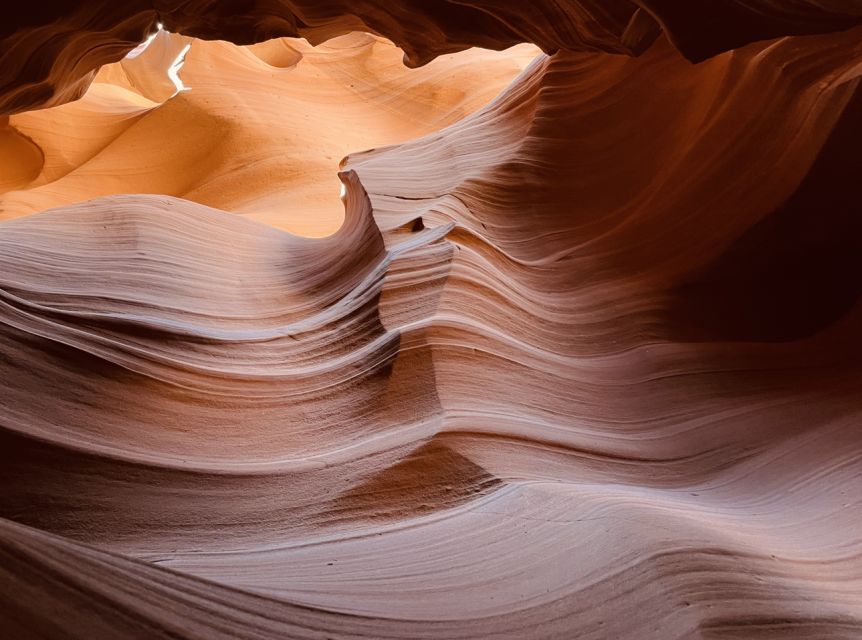
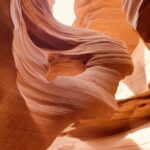
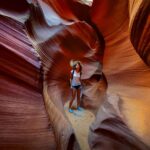
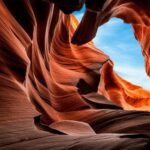
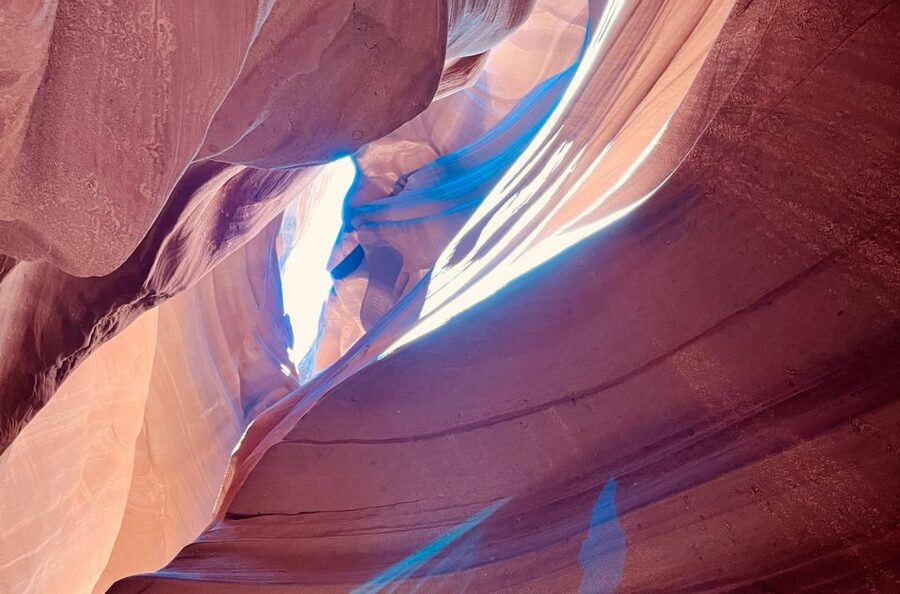
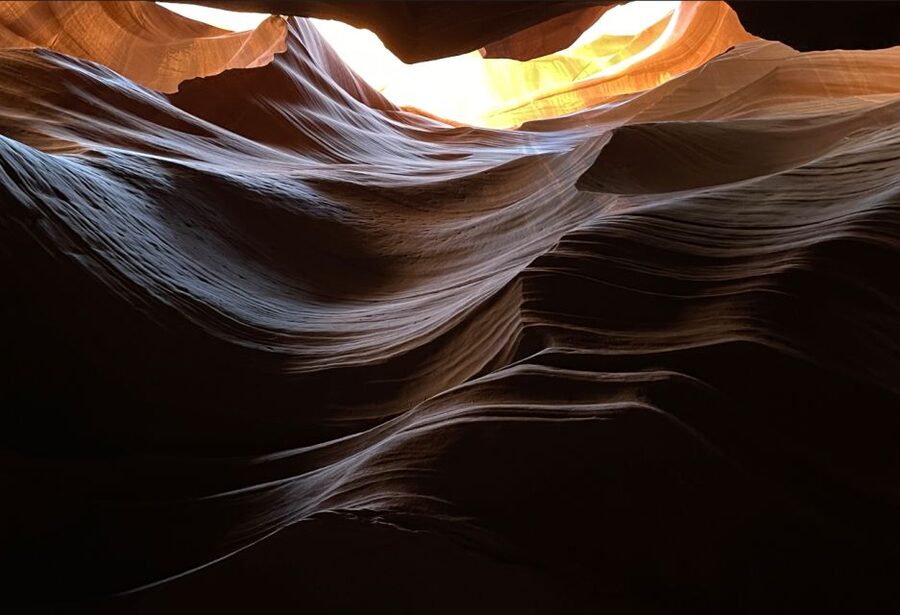
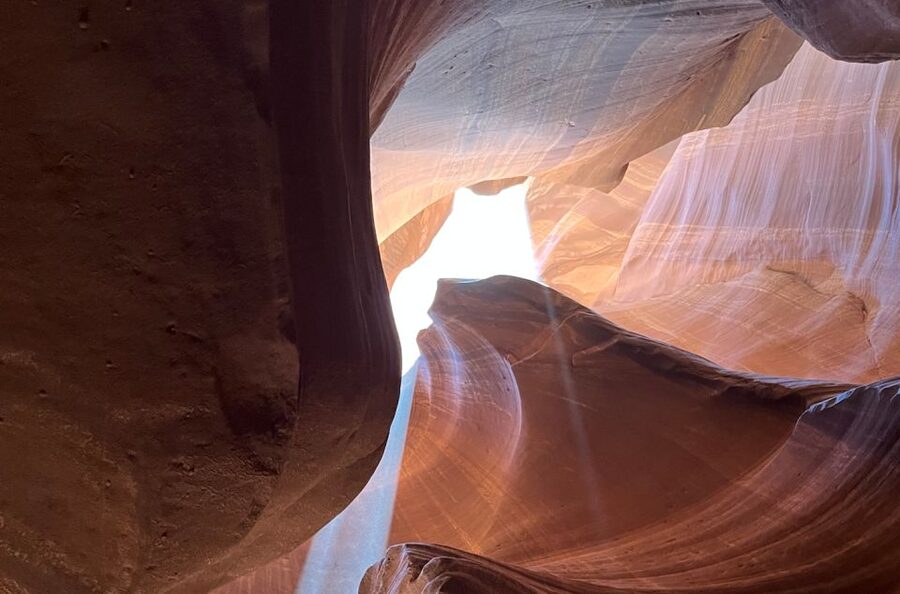
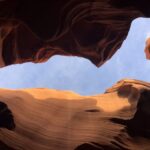
Upper Antelope Canyon is one of those places where the photos don’t just match reality. They explain it. The walls are sculpted into narrow corridors with curved textures that catch light in a way that makes every turn feel like a new scene.
What I like about this tour is that it doesn’t treat the canyon like a quick photo stop. You walk with a Navajo guide who points out what you’re seeing and why it looks the way it does. That geology lesson makes the colors feel earned, not accidental. And because it’s a slot canyon, your viewpoint keeps changing—so even if you’ve seen images online, your actual experience has more depth than a screen can show.
Still mapping out your days? Browse more red-rock tours and experiences around Page Arizona.

The enclosed truck ride through red sand (and why it’s included)
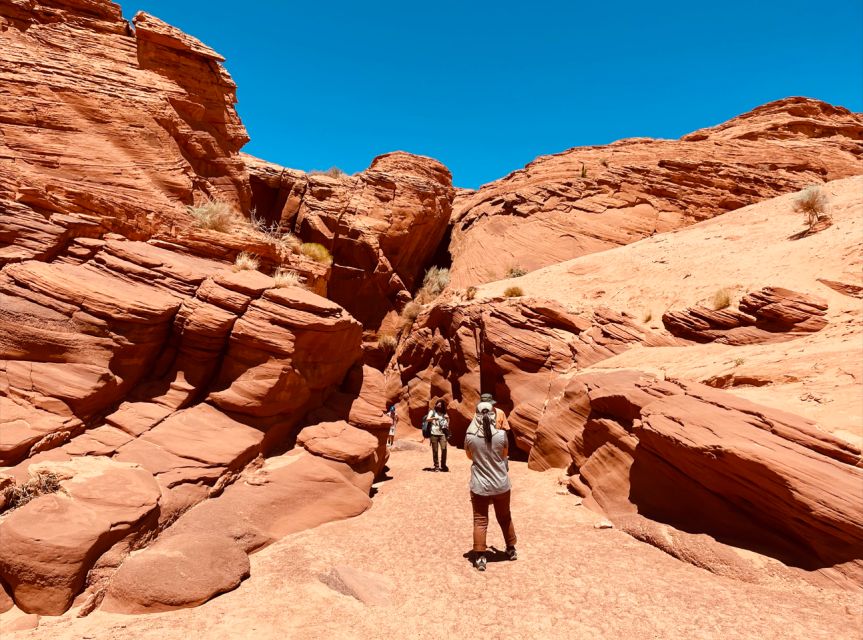
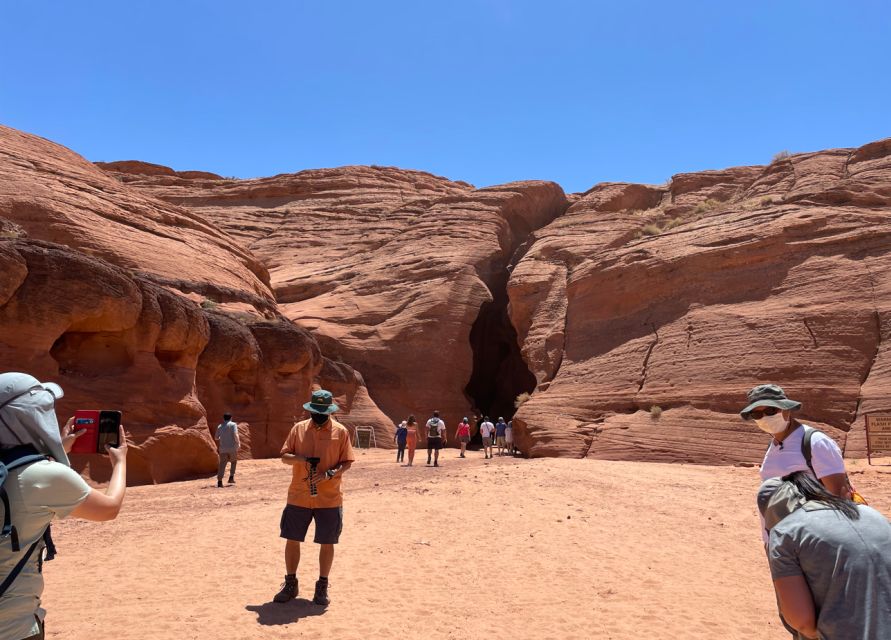
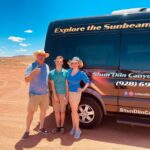
After check-in, you hop into a tent-covered, enclosed truck and head out toward the canyon. The ride is intentionally part of the experience. You bounce along in deep red sand, and you can feel how remote this place is while you still get comfortable transport.
The drive time isn’t long, but it’s enough to shift your mindset from city planning mode to outdoors mode. If you’re prone to motion sickness, this is where you’ll want your prep gear. The tour asks you to bring motion sickness prevention, and I agree—short as it is, the ride is bumpy enough that it can matter.
Practical tip: bring sunglasses and a hat or beanie if the wind is up. One thing you’ll learn fast in the canyon region is that sand gusts are real.
Your Navajo-guided walk: the corridor, the colors, the stories
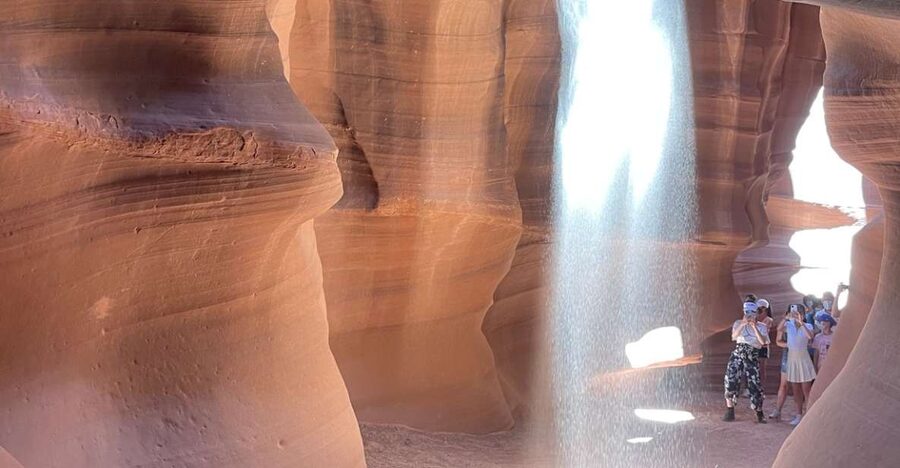
Once you’re at Upper Antelope Canyon, the tour becomes a guided walk through a sculpted sandstone corridor. This is the core of the experience: you follow your guide, stop for photos, and learn how the walls were shaped by years and years of water and wind.
Photo stops aren’t random here
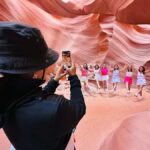
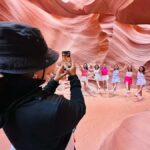
What makes the photography portion work is that the guide is basically crowd control plus lighting instructor. The canyon is narrow, so if you move the wrong way, you miss the angle. Many guides are praised for helping people get the right shot and timing, including phone camera setups. People specifically mention help with iPhone cameras and getting settings dialed in, plus the guide taking photos for individuals and groups.
So yes, you’ll take your own pictures. But it’s also smart to let the guide do what they do best. In tight spaces, their positioning can be the difference between a flat-looking image and one with real depth.
Light timing: where the colors come from
You’ll see how lighting changes the canyon mood.
- Morning and afternoon tend to show rich, deep colors.
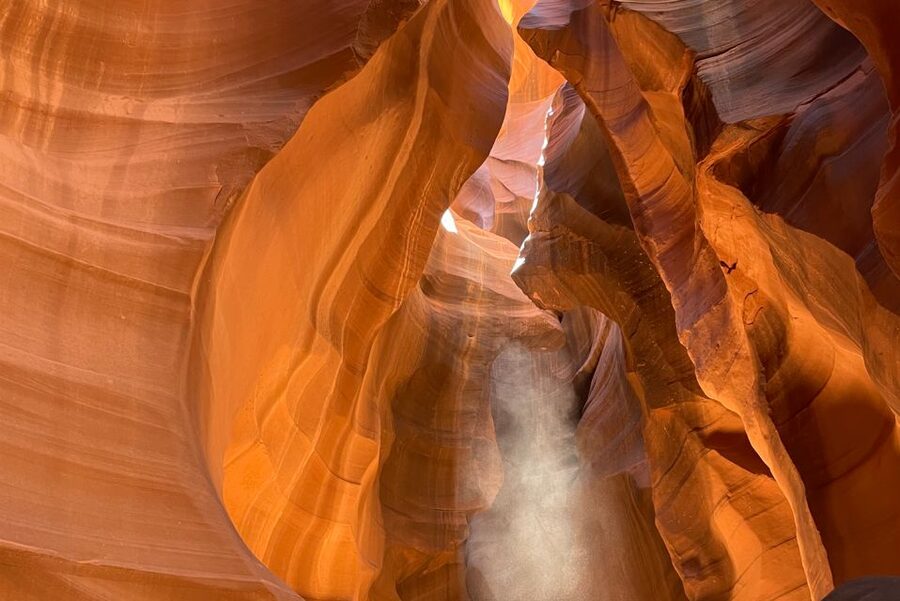
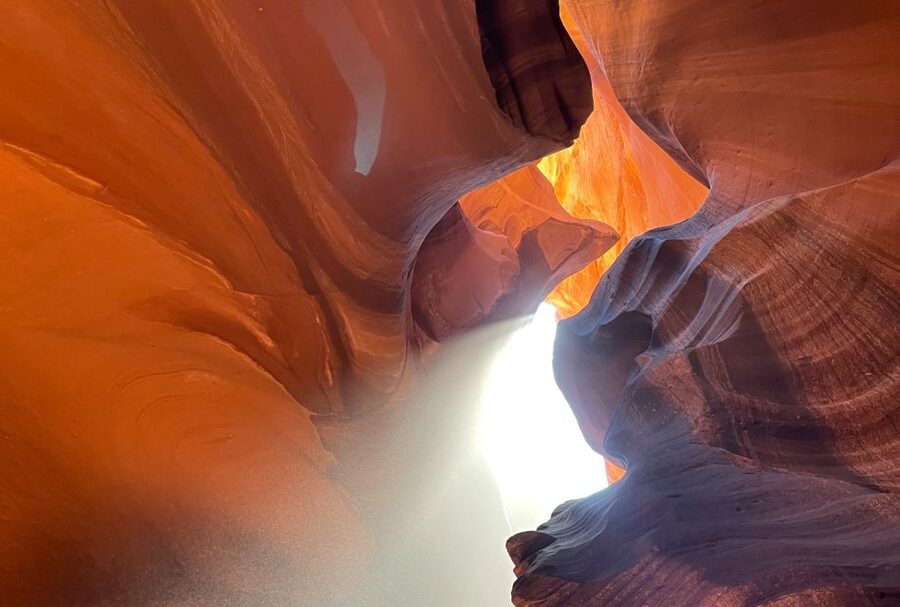
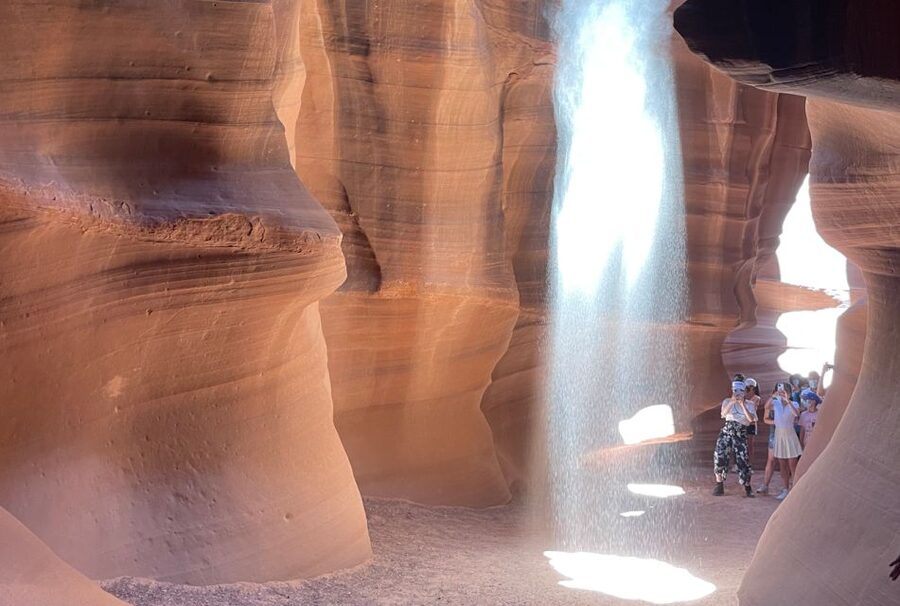
- From April to September, mid-day can produce a dramatic effect where daylight pierces through the narrow opening and reflects off the rock formations.
If you’re choosing a time slot, think like a photographer: midday can be the “light beam” moment. Morning/afternoon can be the “color texture” moment. One review also highlighted that the best time window for light beams is often around 11:00 to 13:00, which lines up with the general seasonal idea.
Explore more Antelope Canyon slot tours from Page Arizona

The top-out climb: ramps, stairs, and who should think twice
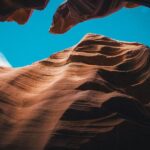
After the canyon walk, the tour doesn’t just turn around. You climb up and out. The experience includes metal ramps and stairs to get over the top of the canyon, and then you return to the entrance area.
This is where the tour’s “easy to book, not easy on your legs” truth shows up.
You’ll likely be fine if you’re a confident walker with solid stamina. But it’s not a stroll. One person noted a total of 140 stairs up and 138 stairs down, which gives you a real sense of the effort level. Even if your exact route differs, the takeaway stays the same: plan for stairs and an incline, and don’t treat this as a low-impact activity.
Because of that, the tour isn’t suitable for wheelchair users, people with mobility impairments, and people with back problems. The tour also lists pregnant women as not suitable. If any of that applies, you’ll save yourself a painful surprise by choosing a different canyon option.
Van rides back to town: short, but plan for it
After your time in the canyon, you head back the same way: van transport back to your drop-off location. The schedule is straightforward—there are multiple start and drop-off options, and the meeting point can vary depending on what you booked.
The key practical idea: don’t overpack your day. Even though the tour itself is around 1 hour to 90 minutes, the experience is timed by entry access. You’ll want a little buffer before dinner or your next activity so you’re not rushing across Page.
Price and value: what $135 really buys (and what costs extra)
At $135 per person, this is not a cheap impulse stop. The value comes from what’s bundled: you get Upper Antelope Canyon entry, a Navajo permit fee (with an important note about changes starting in 2026), a Navajo guide, a walking tour, and round-trip transportation to and from the canyon.
Here’s the honest math you should do:
- If you’d otherwise pay for entry tickets and still have to figure out permits and guided access, your money goes farther here because the logistics are handled.
- If you don’t care about photos or learning, then yes, it can feel pricey for a short walk. But if you want the color, the angles, and the guidance, the guide time is where your return happens.
Two possible added costs to plan for:
- A $5 per person check-in service fee, paid in cash.
- A stated Navajo permit fee of $15 per person starting in 2026 (the page also notes permit-fee timing differences depending on check-in/tour type, so double-check your specific option if you’re booking in advance).
If you’re budgeting tightly, bring the cash early and plan around the time of year you’re traveling.
Rules that affect how you pack (and how smoothly you move)
This is the part people forget until they’re standing at the check-in line.
No bags at all
The rules say no bags of any sort. That means no purses, handbags, backpacks, fanny packs, satchels, or even camelbacks. In other words, pack like you’re going for a short hike: camera, water, and essentials in a way you can carry without crossing the line.
One review mentioned a situation involving clear bags, but the official guidance is “no bags whatsoever.” So I’d plan for the strict interpretation and travel ultra-light.
What’s allowed on you
Bring:
- Camera (optional if you shoot mostly on a phone, but it’s recommended)
- Hiking shoes
- Cash
- Reusable water bottle
- Motion sickness prevention
What’s not allowed
- Drones
- Selfie sticks
- Tripods
- Luggage or large bags
- Smoking, pets, alcohol, and drugs
The logic is simple: the canyon corridors are tight, and the area is being protected. If your gear can’t be carried safely and doesn’t fit the rules, it will slow you down.
Picking your best time: crowds vs light beams
This tour is popular, and you’re walking through a narrow space. That means your “best” time depends on what you want most.
- If you want fewer people, earlier slots can be a better bet. One person specifically recommended going early in the morning to avoid crowds.
- If you want dramatic mid-day light, April–September mid-day is the time to chase. One review also pointed to 11:00 to 13:00 as a prime window for that look.
My practical advice: if photography is your main goal, prioritize the light window and accept that you may be moving a bit faster. If you want a calmer feel and more breathing room, choose early and accept that you might miss the beam effect.
Who this tour suits best (and who should skip it)
This is a great pick if you:
- Want a guided slot canyon experience with structured photo stops
- Enjoy learning how natural forces sculpt rock—water and wind are the big story
- Walk confidently on stairs and inclines
- Are comfortable with short, bumpy transport to reach remote scenery
It’s a bad fit if you:
- Use a wheelchair or need accommodations for mobility impairments
- Have back problems
- Are pregnant (this tour lists it as not suitable)
- Want a “sit and enjoy” style experience with minimal movement
Also consider kids. The tour notes that a child/infant tour costs the same as an adult. And it recommends a children’s car seat/booster for the shuttle if traveling with kids under 55 pounds.
A note on time zones: set your phone to Phoenix
This one is small, but it prevents real stress. The tour times are in Arizona time. The page warns that because the Utah state line is close, cell phone towers can show the wrong time. The fix: manually set your cell phone to Phoenix, Arizona time before you head out.
It’s the kind of detail that saves you from showing up late or arriving too early.
Should you book Upper Antelope Canyon with entry and a guide?
If you’re coming to Page for one unforgettable slot canyon moment, I’d book this. The price hurts a bit, but you’re paying for access, entry, a Navajo guide, and a guided walk timed for the canyon’s light. The best part is that you don’t just get to look—you get help getting the shot and understanding the rock.
Skip it (or plan very carefully) if stairs are an issue. Also, if strict rules like the no-bags policy will be hard for you to follow, choose a different activity that matches your packing style.
If you want my rule of thumb: book it when you can walk stairs, bring cash, and want your time in the canyon to be guided rather than guessed. That’s when the tour feels like a real value instead of just a ticket.
FAQ
How long is the Upper Antelope Canyon tour?
The duration is listed as 1 hour to 90 minutes, depending on the starting time you book.
What’s included in the price?
The tour includes the Upper Antelope Canyon entry ticket, a Navajo permit fee, a Navajo guide, a walking tour, and round-trip transportation to and from the canyon.
What additional fees should I expect?
You should bring cash for a $5 per person check-in service fee. The page also states that a $15 per person Navajo permit fee starts in 2026.
Is hotel pickup included?
No. Hotel pickup and drop-off are not included.
Are bags allowed?
The tour rules say no bags of any sort are allowed (no purses, handbags, backpacks, fanny packs, satchels, or camelbacks).
Can I bring a drone, selfie stick, or tripod?
No. Drones, selfie sticks, and tripods are not allowed.
Is the tour accessible for wheelchair users or people with mobility issues?
No. The tour is listed as not suitable for wheelchair users and for people with mobility impairments and back problems, and it also notes pregnancy as not suitable.
More Antelope Canyon Slot Tours from Page Arizona
More Tour Reviews worth a look around Page Arizona
Not quite your trip? Here is more to see and do around Page Arizona




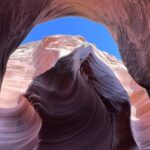
Sedona Sightseeing & Scenic Tours, compared.
 ★ 4.5Half-day Sedona Sightseeing Tour1,688 reviews
 ★ 4.5Sightseeing Highlights Tour of SedonaFrom $631,279 reviews
 ★ 5.0Sedona Red Rocks Outback Tour: Scenic with mild off-roadingFrom $1111,221 reviews
 ★ 4.5Scenic Sedona TourFrom $75498 reviews
 ★ 5.0Sedona Magical Sightseeing Highlight Tour- 5 StarsFrom $69486 reviews
 ★ 4.5Sedona Boynton Canyon Trolley TourFrom $25326 reviews
 ★ 4.5PRIVATE Sedona Jeep Tour 4X4 Excursion – Red Rock West TrailFrom $159314 reviews
 ★ 4.5The Magic of Sedona Highlights TourFrom $63254 reviews
Browse the lists this tour appears in