
Reviewed · SPIRITUAL HEALING & MEDITATION
Medicine Wheel & Labyrinth Healing Journey
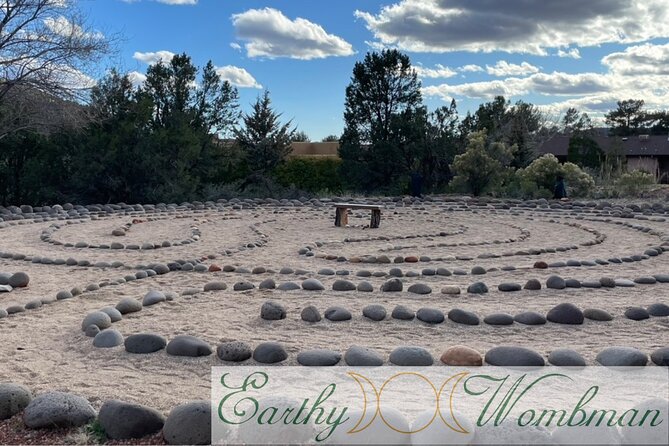
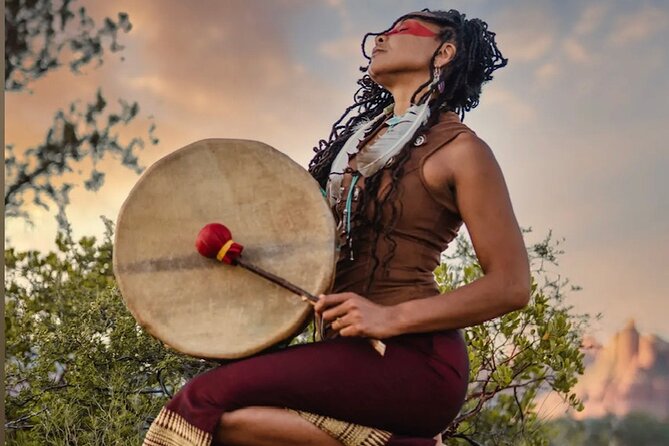
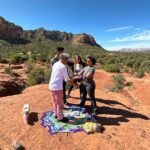
A walk that slows your mind in Sedona. This private journey combines labyrinth walking with a guided medicine wheel route, built for calm and reflection in nature. I like the structure of two quiet practices in one session, not a rushed stop-and-snap kind of activity. I also like the human touch: it’s led by Feather, who focuses on creating a sense of safety so you can let go.
This works especially well if you want something gentle but meaningful, with time to walk, pause, and integrate afterward at a creek. One thing to plan for: it depends on good weather, and you should be ready for walking the labyrinth and moving between wheel positions. Also, private transportation isn’t included, so you’ll need your own ride to the start point.
If you’re in Sedona and craving a quieter kind of spiritual reset, this is a straightforward choice: show up, follow Feather’s pacing, and let the walking do the work.
In This Review
- Key highlights you should know before you go
- What You Do in Two Hours: Labyrinth, Medicine Wheel, and Creek Integration
- Meeting Point, Timing, and How the Private Format Feels
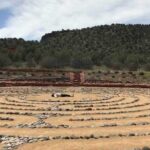
- Labyrinth Walking: A Mind-Quieting Loop You Can Do at Your Pace
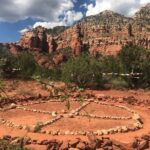
- The Medicine Wheel: Mitakuye Oyasin and Guided Positions for Reflection
- The End at the Creek: How Integration Helps the Experience Stick
- Price and Logistics: Is $135 Worth It?
- Who This Healing Journey Fits Best (and Who Should Think Twice)
- Practical Tips to Get the Most From Your Walk
- Should You Book This Sedona Healing Journey?
- FAQ
- How long is the Medicine Wheel & Labyrinth Healing Journey?
- What is the price per person?
- Where does the tour start and end?
- What is included in the tour?
- Is transportation provided?
- What happens if the weather is poor?
Key highlights you should know before you go
- Private, 2-hour healing flow that stays centered on walking and reflection
- Feather-led sacred space with a warm, welcoming approach
- Labyrinth walking to calm anxieties and quiet the mind
- Medicine wheel positions tied to connection and the idea of being related to all things, Mitakuye Oyasin
- Creek integration at the end, so you leave with something to hold onto
- Bottled water included, with no private transportation provided
What You Do in Two Hours: Labyrinth, Medicine Wheel, and Creek Integration
This is a walk-based healing session, about two hours in total. The heart of it is simple: you move through a labyrinth, then you continue through medicine wheel positions as part of a personal “life walk” theme. The whole point is to connect body, mind, and spirit through slow steps, pauses, and guided reflection.
Labyrinths are used around the world for reasons that are easy to understand even if you’re not “big into spirituality.” Walking a labyrinth can help quiet the mind, ease stress, and support meditation and self-reflection. You’re not being asked to perform anything tricky. You’re just following the pathway at a calm pace and letting your attention settle.
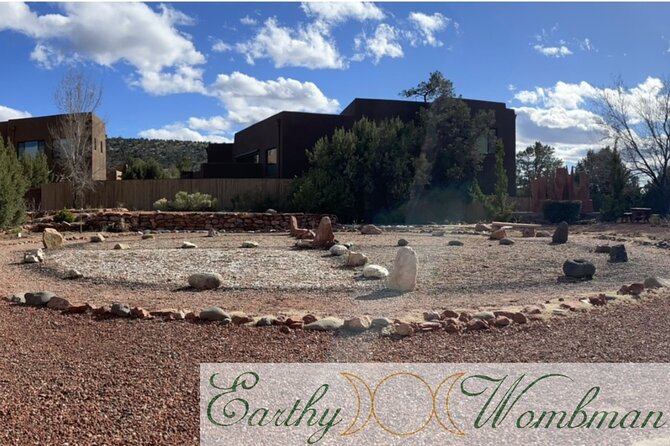
Then comes the medicine wheel. The idea is that it reminds you of your connection to all things under the spirit of Mitakuye Oyasin, often explained as we are all related. As you move to different positions of the wheel, the route supports whatever you’re working on: healing past hurts, gaining guidance for the road ahead, or strengthening a sense of connection to the planet and all its inhabitants.
You finish with an integration moment at a creek, which matters more than it sounds. It’s one thing to have an emotional or spiritual moment during the walk. It’s another thing to land back into daily life afterward. Ending at the creek gives the session a soft landing.
Discover more healing, meditation and spirit journeys in Sedona


Meeting Point, Timing, and How the Private Format Feels
You meet at Starbucks, 1885 W State Rte 89A, Sedona, AZ 86336. The tour ends back at the meeting point, so you’re not stuck figuring out where to go next.
Because it’s a private tour, it’s only your group. That changes the feel right away. You don’t have to worry about matching anyone else’s pace, or tuning out other people’s energy. In a ritual-style walk, that privacy helps. It also keeps the session focused on what you bring to it.
Timing is important too. It’s listed as approximately 2 hours, and this kind of walk doesn’t work well if you’re rushing to fit in another plan immediately after. If you can, give yourself a buffer to sit, breathe, or just decompress afterward.
You’ll also want to plan transport. Private transportation isn’t included, so make sure your ride works for the exact meeting spot. If you’re using a rideshare, build in a little time to find the right curb/entrance and settle before you start.
Labyrinth Walking: A Mind-Quieting Loop You Can Do at Your Pace
The labyrinth portion is the part that many people find instantly calming. Even if you’re skeptical of any spiritual label, the mechanics make sense: walking a labyrinth encourages a steady pace and repeated turns, which helps your attention stop hopping around.
The session describes labyrinth walking as a way to quiet the mind, calm anxieties, recover balance, and support creativity and meditation. In practical terms, that means you’re not walking for distance. You’re walking for rhythm. You slow down. You pay attention to each step. You notice what comes up.
This can also be surprisingly emotional. The guidance around letting go is where people often find tears or big relief. One of the best signs that this is working is how you feel after you exit the labyrinth path: more settled, more honest, and less mentally cluttered.
A small consideration: because it’s a walk, you’ll want to be comfortable on your feet. The good news is it’s described as suitable for most travelers. Still, if you have balance issues or mobility limits, you’ll want to think through whether a 2-hour walking meditation fits your needs.
The Medicine Wheel: Mitakuye Oyasin and Guided Positions for Reflection
After the labyrinth, you move into the medicine wheel section. This part is more interpretive. You’re not just walking. You’re walking with meaning tied to the idea of connection to all things—Mitakuye Oyasin.
The medicine wheel exists to remind you of your place in the web of life. The route you take brings you to different positions of the wheel, and those positions are used to support your healing journey. The session frames possible goals like healing past hurts, getting guidance for the path ahead, or deepening connection with the planet and all inhabitants.
What I like about this approach is that it’s not one-size-fits-all. If you’re carrying something heavy, the wheel gives a structure for holding it. If you’re trying to shift direction, it gives you a place to focus on guidance without turning it into a stressful decision-making exercise.
What you’re likely to feel here depends on what you bring. Some people leave with insight. Some leave with a sense of being emotionally cleaned out. Some just feel calmer and more grounded. Either way, the session’s design supports reflection rather than performance.
And one more thing: the guide’s tone matters. Feather is described as warm and welcoming, and that matters because these practices ask you to soften. If you feel safe, you’re more likely to let your mind stop fighting and start listening.
The End at the Creek: How Integration Helps the Experience Stick
A lot of spiritual activities stop at the dramatic moment. This one keeps going. Ending with integration at a creek gives the session a quiet closing ritual.
Integration is where the emotional and mental work gets translated into something you can actually remember and use later. The creek setting also fits the Sedona rhythm: water, shade, and a slower pace help you shift from “walking and feeling” into “being with what I learned.”
This final part can be surprisingly grounding. People often describe it as deep and ceremonial, the kind of moment that helps healing settle rather than just flicker. If you’re hoping for more than a brief wow-factor, this is a big part of why the journey lands well.
If you tend to get overwhelmed in new environments, the creek ending can be a relief. It gives your body a cue that the ritual is over and you can return to normal life gradually.






Price and Logistics: Is $135 Worth It?
At $135 per person for about two hours, you’re paying for focused time, not a long checklist of attractions. It’s private, led by Feather, and includes bottled water. There’s no private transportation included, which is the main logistical cost you’ll handle on your own.
So is it good value? For me, it comes down to intent:
- If you want a quick photo stop or a generic “fun spiritual thing,” this may feel like too much money for too little spectacle.
- If you want a guided, calm session with space to reflect, it can feel like fair pricing, because you’re buying structure, pacing, and a private setting that supports emotional safety.
Also, $135 starts to make more sense when you compare it to other paid experiences in Sedona that are shorter, more crowded, or less personal. Here you’re not sharing a guided ritual with strangers. That privacy is part of the value.
One more practical point: since it requires good weather, you’ll want flexibility in your schedule. If Sedona weather changes and you need to reschedule, keep a backup day in mind if possible.
Who This Healing Journey Fits Best (and Who Should Think Twice)
This is a great match if you:
- Want a quiet, walking-based reset instead of a high-energy tour
- Feel drawn to labyrinth and medicine wheel symbolism
- Want time to reflect, with a guide who can create a calm container for it
- Are open to an experience that may include laughter and tears, because emotional release can be part of the process
It’s also a strong choice if you’re ending a trip and want something that helps your last days feel intentional. The format supports that kind of emotional closure.
Think twice if:
- You have significant mobility or balance limitations that make walking paths difficult
- You’re not comfortable with quiet, reflective activities
- You’re in a hurry and can’t give yourself a buffer afterward to settle
Because this is private, you’ll likely get more attention than in a group session. But the walk still takes time, and the experience only works if you let it.
Practical Tips to Get the Most From Your Walk
You’ll do better if you show up ready to slow down. Wear comfortable shoes and dress for warm or cooler conditions depending on the season. Since it requires good weather, also plan for the possibility of changes if conditions aren’t right.
Arrive at the meeting point early enough to get oriented. Starting at the Starbucks on W State Rte 89A is convenient, but you still want a minute to settle your mind before the walk begins. Bring a layer if you run cold; creek-area calm can feel cooler than you expect.
If you tend to get chatty when nervous, you might try switching to gentle focus. A labyrinth walk works best when your mind isn’t wrestling for attention. Let the steps guide you.
Finally, give yourself permission to have whatever reaction shows up. Some people leave feeling deeply moved. Others feel quiet relief. Both are valid, and neither means you did it wrong.
Should You Book This Sedona Healing Journey?
Book it if you want a private, two-hour, walking-based ritual that blends labyrinth calm, medicine wheel reflection, and creek integration—led by Feather in a warm, welcoming way. The strongest reason to choose it is the combination: you’re not just touring a symbol, you’re walking a structured pathway designed to support stress reduction and healing.
Skip it if you’re looking for a standard sightseeing format, or if weather and walking are hard constraints for you. Also, if you don’t like reflective quiet or you dislike emotional releases, you may find it uncomfortable.
For most people who are seeking something grounded and meaningful in Sedona, this is a thoughtful use of time. It doesn’t try to be everything. It does one thing well: it gives you space to slow down, reflect, and leave with your mind a little clearer than when you arrived.
FAQ
How long is the Medicine Wheel & Labyrinth Healing Journey?
It runs for about 2 hours.
What is the price per person?
The price is $135.00 per person.
Where does the tour start and end?
It starts at Starbucks, 1885 W State Rte 89A, Sedona, AZ 86336, and ends back at the same meeting point.
What is included in the tour?
Bottled water is included.
Is transportation provided?
No. Private transportation is not included.
What happens if the weather is poor?
This experience requires good weather. If it’s canceled due to poor weather, you’ll be offered a different date or a full refund.
More Healing & Meditation Journeys in Sedona


More Tour Reviews worth a look around Sedona

Not quite your trip? Here is more to see and do around Sedona








Spiritual Healing & Meditation, compared.
 ★ 5.0Sedona Vortex Odyssey – A Spiritual & Scientific AdventureFrom $130427 reviews
 ★ 5.0Tour to Sacred Sites and Vortexes in SedonaFrom $130363 reviews
 ★ 5.0Best Vortex and Chakra Tour of SedonaFrom $140176 reviews
 ★ 5.0Sedona Spiritual Vortex PRIVATE Tour: Connect, Meditate, UnwindFrom $300143 reviews
 ★ 4.0Spiritual Tours Vortex ToursFrom $95137 reviews
 ★ 5.0Private 3-Hour Spiritual Vortex Tour of SedonaFrom $163126 reviews
 ★ 5.0Sedona Soul Tour with Shamanic GuideFrom $29581 reviews
 ★ 5.0Meditate in the Sedona Vortex EnergyFrom $15073 reviews
Browse the lists this tour appears in