
Reviewed · ANCIENT RUINS & NATIVE HERITAGE
Hopi Lands: Full-Day Archaeology and Culture Tour
Hopi mesas feel ancient, yet human. What makes this full-day trip special is the mix of big-scenic Arizona drive time and respectful access to Hopi villages across three high mesas. I especially like how the day pairs stunning scenery like Oak Creek Canyon with hands-on moments at the Hopi Cultural Center, not just quick look-and-leave stops.
One heads-up: no cameras are allowed on the tour, and photography isn’t permitted on Hopi Nation lands. If you were hoping to shoot lots of photos or film details, plan to enjoy the day with your eyes, not your lens.
In This Review
- Key takeaways before you go
- Why this Hopi culture tour feels more like a visit than a stop
- Oak Creek Canyon to the Painted Desert: the ride you don’t want to rush
- Visiting three Hopi high mesas: what you’re actually learning
- Second Mesa at the Hopi Cultural Center: lunch, museum, and art with context
- Artisan time with silversmith moments (and what to buy, if you want)
- Walpi on First Mesa: the guided walk where you slow down and listen
- Price and logistics for a 12-hour day: what $328 covers
- Getting in and out (and a key rule for kids)
- Who should book this, and who should consider a different day
- Should you book Hopi Lands from Sedona?
- FAQ
- How long is the Hopi Lands tour?
- Where is the tour located?
- Is hotel pickup included?
- How large is the group?
- Can I bring a camera or take photos?
- What food is included?
- What about car seats for children?
- What day does the tour run?
Key takeaways before you go
- Oak Creek Canyon scenic drive: one of the top scenic drives in the U.S., with big photo-less views
- Three Hopi mesas, multiple villages: you get a broader feel for Hopi life than a single stop
- Second Mesa Cultural Center time: museum visits plus time to shop Indigenous art
- A real meal with your guide: lunch is part of the experience, not an afterthought
- Walpi on First Mesa: a guided walk in one of the most original Hopi settlements
Why this Hopi culture tour feels more like a visit than a stop
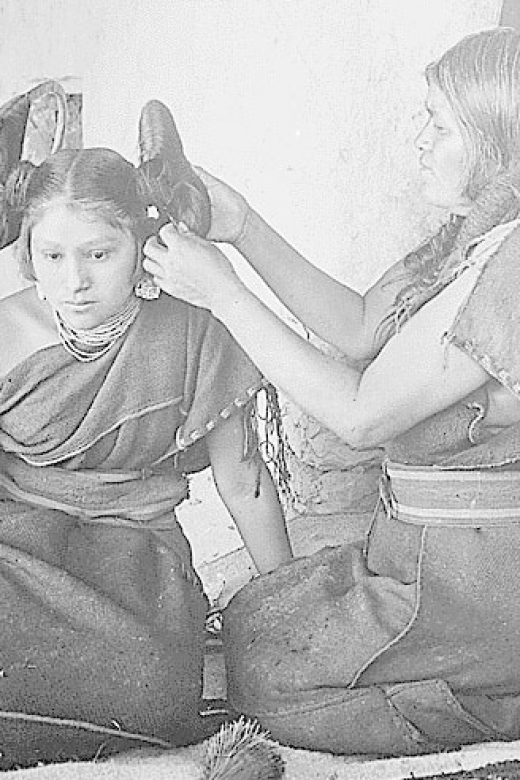
This tour doesn’t play like a drive-by museum day. You start with a long scenic ride, then you slow down when it matters: meeting people, learning place names and meaning, and moving through Hopi spaces with a guide who understands the rules. That difference is why the day lands with weight, even if you’re only in the area for a short trip.
I also like the small group size. With a limit of 14 participants, you’re more likely to hear the guide’s explanations and ask questions when there’s time. It helps the day stay human-sized, especially when you’re talking about long-standing traditions and how people live today.
The other thing I appreciate is that the tour clearly respects boundaries. There’s a blanket no-cameras rule, and photography isn’t permitted on Hopi Nation lands. That can feel strict at first, but it also keeps the visit focused on listening and learning.
Step into more ancient ruins and Native heritage near Sedona

Oak Creek Canyon to the Painted Desert: the ride you don’t want to rush
One of the best parts is the drive itself. You’ll enjoy the ride through Oak Creek Canyon, widely known as one of the top scenic drives in the U.S. It’s not just a pretty roadside moment; it’s a fast way to understand why this region has been so important for centuries. The rock layers, the light, and the sheer scale help you picture what you’re heading toward.
As the scenery changes, you’ll also see the colorful Painted Desert. Think shifting tones and wide-open views that make it easier to grasp the geography of the Southwest. Even without taking photos, the visual impact is real—your eyes do the work, and the guide’s context makes the views feel less random.
Practical tip: bring a layer. Long drives across varying elevations can mean cool mornings and warmer afternoons, and you’ll spend most of your day in a touring van.
Visiting three Hopi high mesas: what you’re actually learning
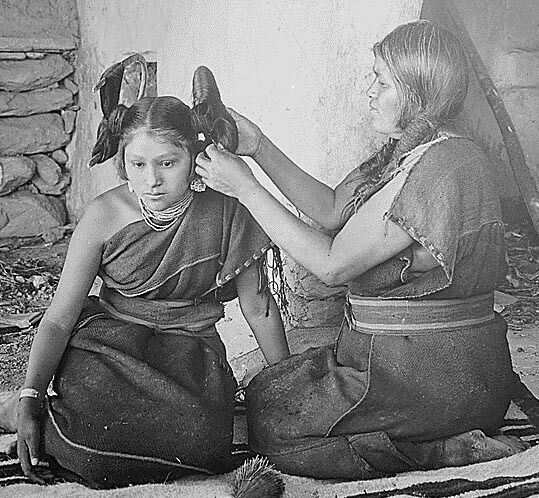
The Hopi story here isn’t one quick timeline. You’re traveling across Diné Bikéyah, or Navajoland, and then moving into the Hopi Nation and Reservation to visit villages sitting atop all three of the high rock Hopi Mesas. That matters because Hopi life has long been shaped by where communities are positioned, how they move through the land, and how place ties into tradition.
By visiting multiple mesa locations, you get more than a photo-worthy highlight. You start to understand how different settlements reflect different aspects of Hopi life, while still sharing common cultural threads. The goal of the day isn’t just “see old stuff.” It’s to show how community and tradition continue.
Also, this is where your guide’s approach really counts. In past tours, guides like David—who was described as experienced on history, geology, culture, and people—help make the places feel connected, not like separate stops on a map. And because the experience is tied to trusted relationships, you tend to get answers to real questions, not just scripted facts.
Second Mesa at the Hopi Cultural Center: lunch, museum, and art with context
After your ride and introductions, you’ll spend time at the Hopi Cultural Center of the Indian Nation on Second Mesa. This is one of the most important blocks of the day, because it’s where the tour shifts from scenery to culture.
First, you’ll have an authentic Hopi meal with your guide. Eating together changes the pace. It’s also a practical way to slow down after the drive, and it sets the tone for the rest of the visit.
Next comes the Hopi Museum and Art Gallery. This is a chance to see artifacts and art in a context that’s tied to the community’s perspective. Then you’ll have time to shop and admire Indigenous artists. If you like bringing home something meaningful, this is the moment. You’re not just buying a souvenir; you’re supporting work tied to living tradition.
You’ll also find artisan demonstrations or visits tied to crafts such as basket making, pottery making, and Kachina doll carving. These aren’t only about technique. They’re about what the work means and how it’s passed along. That’s the kind of context you can’t easily pick up if you’re only doing self-guided browsing.
Artisan time with silversmith moments (and what to buy, if you want)
One of the most praised parts of this tour is the artisan contact. You may have time to meet a craft expert, watch the process, and in some cases, see how pieces come together in a personal setting. In at least one memorable run, the day included an expert Hopi silversmith named Riley, with the chance to create jewelry in his home and purchase pieces that carried the stamp of his bear clan.
Even if your specific stops differ slightly, plan for this: the craft portion is where you’ll likely feel the most connection. The work is detailed, but the point isn’t just craft skill. It’s the human story behind it—how knowledge travels, how design choices carry meaning, and how the maker explains what you’re seeing.
What should you buy? Only if it feels right. If you’re short on space, consider buying just one piece. Also, because cameras aren’t part of the experience, your best “souvenir” might be the explanations you remember and the art you bring home.
A few more Sedona tours and experiences worth your time





Walpi on First Mesa: the guided walk where you slow down and listen
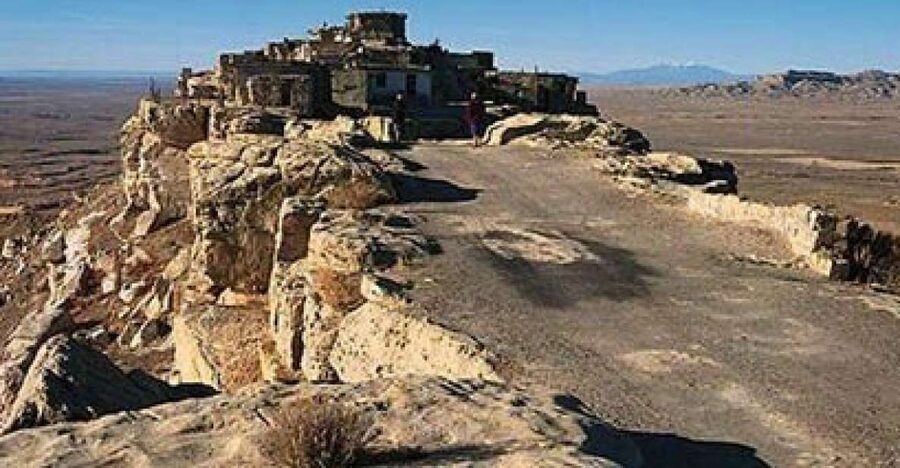
The final stop is Walpi on First Mesa. This is often described as the most original of Hopi settlements, and it’s also tied to the highlight that you’ll walk through the oldest continually inhabited village in North America. That’s a big claim, but the deeper value is the experience of moving through the village with a guide who can explain traditions and daily life in plain terms.
Expect to take a walk with your Hopi guide. The focus is on learning—not just looking. Your guide will share traditions and what they mean, plus how Hopi life fits the past and the present.
One important rule here is the photography restriction. Photography is not permitted on Hopi Nation lands, and cameras are not allowed on the tour at all. That changes how you experience the village: you can’t rely on a viewfinder to capture moments. Instead, you’re encouraged to be fully present.
If you’re the type who loves details, you’ll still get them. You’ll just get them by listening, asking questions, and paying attention to how the guide describes place and tradition.
Price and logistics for a 12-hour day: what $328 covers
At $328 per person for a 12-hour tour, the biggest question is value: what are you buying besides transportation and entry fees? For me, the answer is access plus context.
This trip includes:
- Hotel pickup in Sedona, plus Flagstaff pickup within city limits
- Entry fees, permits, and taxes
- Lunch and water
- A small group capped at 14 people
- A live English-speaking guide
When you add those pieces up, the price starts to look less like a generic sightseeing fee and more like paying for a structured, guided cultural visit. The van ride is part of it, but the real cost driver is access to specific community spaces and the time required to do the day right.
Also, you’re not driving yourself through long stretches of the region, and you’re doing it with a guide who can explain what you’re seeing. That matters on a day when the stops are meaningful and the rules are non-negotiable.
Getting in and out (and a key rule for kids)
You’ll be picked up in a 14-passenger touring van from hotels in Sedona City Limits, with Flagstaff pickup only within city limits. The day is built to run Tuesday only, with a required minimum number of participants.
If you’re traveling with kids, note the Arizona law: children 8 and younger must be in a car seat/booster seat, and you must provide your own. That’s one of those details that can mess up your day if you forget it.
Who should book this, and who should consider a different day
This is best for you if:
- You care about culture and want guided explanation, not just scenic driving
- You like small groups and clear rules that protect the integrity of the place
- You’re open to learning through conversation and observation, even without photos
You might want to think twice if:
- You rely on cameras or want to document everything with photography and video
- You dislike long seated drive time in a van
- You’re sensitive to group audio. On at least one earlier tour, a guide named Brian was praised for personal knowledge, but the comment was that audio was hard to hear for people in the back. If sound is important to you, choose a seat toward the front.
If you want a day that blends scenery with respectful community time, this is a strong fit.
Should you book Hopi Lands from Sedona?
Yes, if your idea of a great Southwest day is more about understanding and meeting people than collecting photos. The combination of Oak Creek Canyon and Painted Desert scenery, plus time at Second Mesa and a guided walk in Walpi, gives you a full day that feels intentional.
Book it if you’re ready to follow the rules—especially the no-cameras part—and if you want a guided cultural experience rather than a rushed checklist. The price isn’t cheap, but when you factor in pickup, permits/fees, lunch, and guided access to Hopi spaces, it reads like fair value for a day you’ll remember for its human moments.
If you want me to help you decide, tell me your travel dates and whether you’re traveling with kids, and I’ll suggest the best way to plan around the Tuesday-only schedule.
FAQ
How long is the Hopi Lands tour?
The tour runs for 12 hours.
Where is the tour located?
It operates in Arizona, United States, starting from the Sedona area.
Is hotel pickup included?
Yes. Pickup is included from Sedona hotel locations within Sedona City Limits, and Flagstaff pickup is included within city limits.
How large is the group?
The group is limited to 14 participants.
Can I bring a camera or take photos?
No cameras are allowed on the tour, and photography is not permitted on Hopi Nation lands.
What food is included?
Lunch and water are included.
What about car seats for children?
Arizona law requires children 8 years and younger to use a car seat/booster seat, and guests must provide their own.
What day does the tour run?
The tour departs on Tuesday only (with other days possible for group requests between 4 and 14 people).
More Tours worth a look around Sedona






More Ancient Ruins & Native Heritage near Sedona
More Tour Reviews worth a look around Sedona

Not quite your trip? Here is more to see and do around Sedona
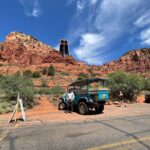
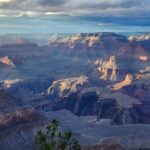



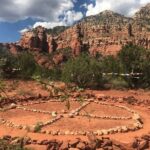
Ancient Ruins & Native Heritage, compared.
 ★ 5.0Sedona Archaeology Hiking TourFrom $12473 reviews
 ★ 5.0Ancient Sedona (30+ Mile) – Sedona Helicopter TourFrom $30636 reviews
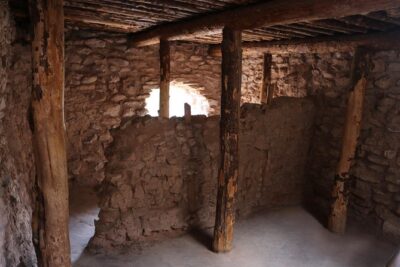 ★ 5.0Private Tour of Four National Monuments in Arizona from SedonaFrom $31728 reviews
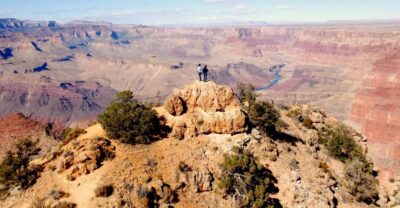 ★ 5.0From Sedona or Flagstaff: Ruins & Volcanoes Small-Group TourFrom $20320 reviews
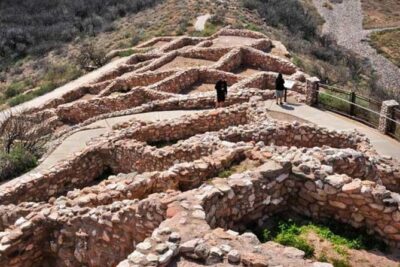 ★ 5.0Private Montezuma Castle – Tuzigoot National Mont.From $24917 reviews
 ★ 5.0Sedona to Petrified Forest/Painted Desert Adventure PRIVATE TOUR!From $39915 reviews
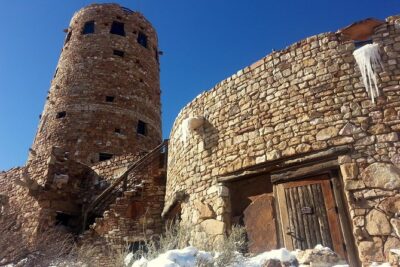 ★ 4.5Grand Canyon Explorer: Day Trip with Ruins from Sedona or FlagstaffFrom $20811 reviews
 ★ 4.9From Sedona: Archeology and Nature HikeFrom $1238 reviews
Browse the lists this tour appears in