
Reviewed · GUIDED
Camp Verde: Predator Zip Lines Guided Tour
A mile of zip lines above big cats sounds serious—and it delivers. You fly over the Out of Africa Wildlife Park with a guide who helps you spot predators and explains what you’re seeing from above.
I especially loved how the guides kept things calm and clear when people were nervous. I also liked the way the tour combines zip lining with real animal context, with guides such as Jared and Seth sharing names and origins as you glide. One thing to consider: you’ll be walking stairs and you can’t bring a camera, so you’ll rely on purchased photos.
In This Review
- Quick takes before you clip in
- Where this Camp Verde zip line fits into a bigger day
- Check-in, gear-up, and the moments right before you fly
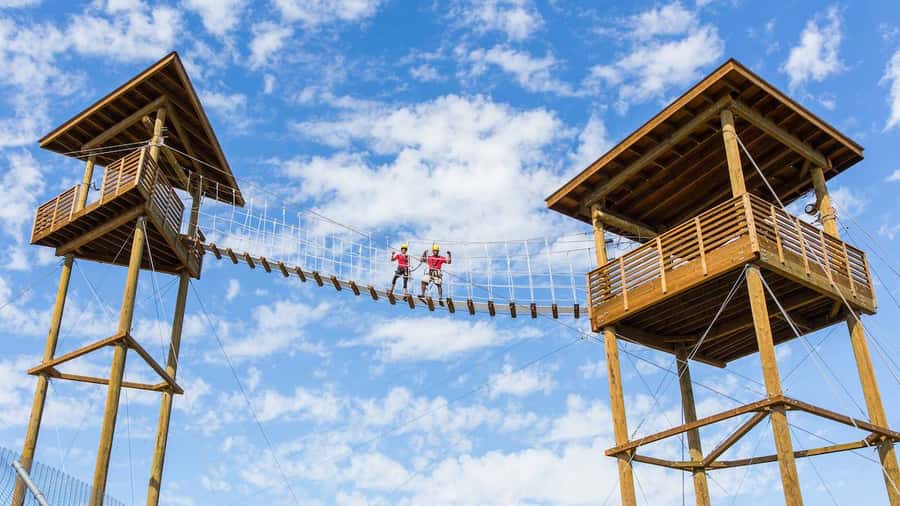
- The five zip lines: what you do from tower to tower
- Zip line 1–4: animal spotting from the air
- Zip line 5: the speed moment
- The animals you’ll spot and why the guide matters
- The views over Verde Valley and the surrounding mountains
- Safety rules and comfort: what to wear and what to skip
- Who this tour suits, and who should pass
- Price and value: why $109 can make sense
- Photos and souvenirs: what to plan for if you want keepsakes
- Timing, pacing, and how not to feel rushed
- A few practical tips that actually help
- Should you book Predator Zip Lines in Camp Verde?
- FAQ
- How long is the Camp Verde Predator Zip Lines guided tour?
- Where do I check in for the Predator Zip Lines tour?
- What’s included in the $109 per person price?
- Do I need to buy entry to Out of Africa Wildlife Park for the zip line?
- Are cameras allowed during the zip line?
- What are the age and weight limits?
- Who is this tour not suitable for?
Quick takes before you clip in
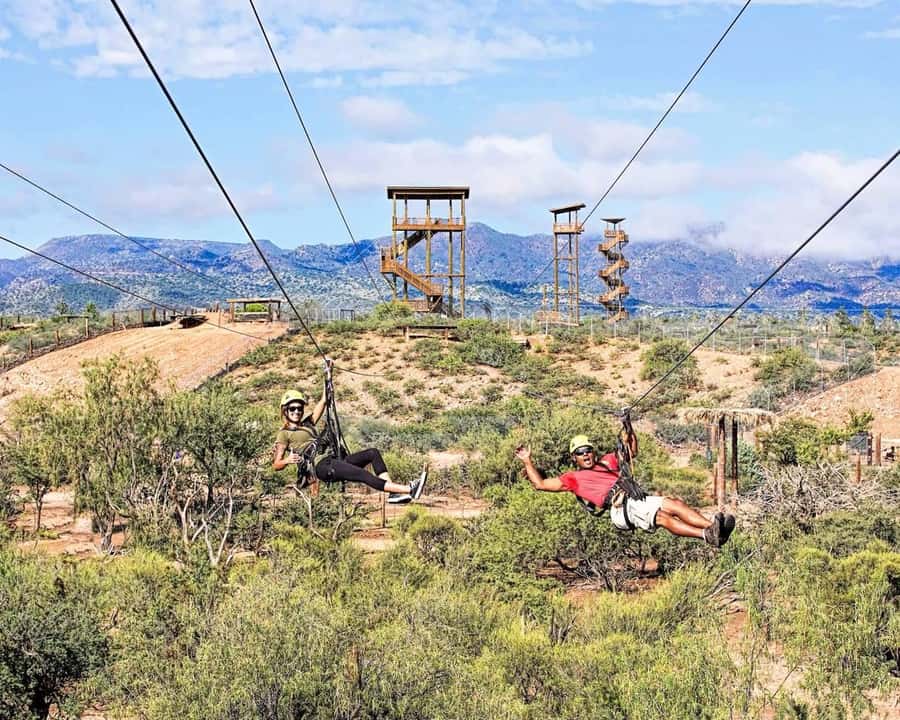
- Five zip lines over about a mile: the first four focus on spotting animals, the last one is all about speed.
- You cross above major predators: lions, tigers, wolves, hyenas, bears, cougars, and leopards.
- The guide does the heavy lifting: you get help identifying what’s below, not just a thrill ride.
- Safety feels hands-on: you stay connected to the system while you ride.
- You can pair it with Out of Africa after: entry isn’t needed for the zip line, but you can save 20% afterward.
Where this Camp Verde zip line fits into a bigger day
This is a Camp Verde activity that works well as an anchor for half-day plans. You start at the Predator Zip Lines office in the Out of Africa Wildlife Park parking lot, then you’re geared up and taken to the launch area. The timing is tight enough to feel like a real “do this now” adventure, but it’s not so long that it ruins your daylight.
What makes it feel different from a basic zip line is that the course is built around animal viewing. Instead of just trees and track views, you’re flying above enclosures, with your guide pointing out what’s where and what to look for. That turns the ride into a guided experience, not just motion.
There’s also an easy way to stretch the fun. After the zip line, you can explore Out of Africa yourself and get 20% off. So you get both the aerial perspective and the up-close park experience.
Let a local lead the way on more guided outings in Sedona
Check-in, gear-up, and the moments right before you fly
Check in at the Predator Zip Lines office located in the Out of Africa Wildlife Park parking lot. From there, you’ll meet your guide and go through gear—so you’re not spending your vacation time figuring out harnesses and straps. Then you’re driven to the start of the zip line course.
Expect a short pre-ride rhythm: instructions, fit checks, and guidance on how to position yourself for each run. The tour is run in English, so you’ll have straightforward communication throughout. Guides I’ve seen praised often for comfort and reassurance—especially for first-timers who are worried about heights.
One practical heads-up: you’re moving around before you ever lift off. There are stairs on the course, and they can feel like the hardest part for some people. If you know you’ll be winded easily, plan your approach accordingly and wear comfortable shoes.
The five zip lines: what you do from tower to tower
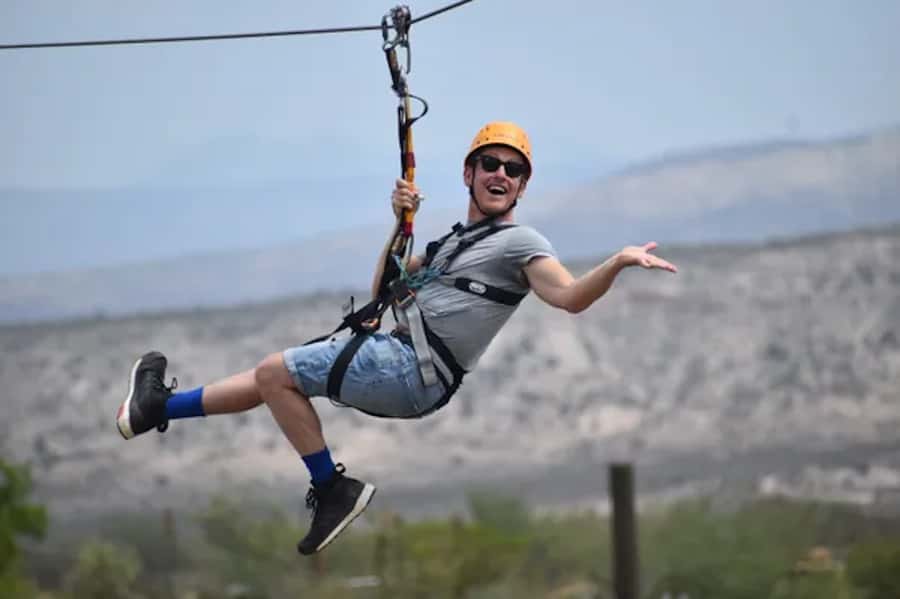
This tour is built as a 90-minute guided circuit with five zip lines spread over about a mile. The course has a clear flow: the first four runs are about viewing animals, and the final run shifts into speed.
Here’s how it feels as an experience, step by step.
Zip line 1–4: animal spotting from the air
On the first four lines, you’re essentially learning the park from the sky. You’ll ride over enclosures, and your guide helps you scan below for specific animals. It’s not about catching every single animal in perfect light—some animals may be napping—so the skill is in knowing where to look.
These runs are also a great way to get comfortable. Even if your first dispatch feels shaky, the later lines tend to feel smoother once you’ve found your rhythm. One of the most common reasons people leave happy is that the guides keep you confident through those early “step into the unknown” moments.
Also, because you’re waiting between lines, you get time to spot animals on the ground and compare what you see from above. That makes the whole course feel like more than five separate rides.
Zip line 5: the speed moment
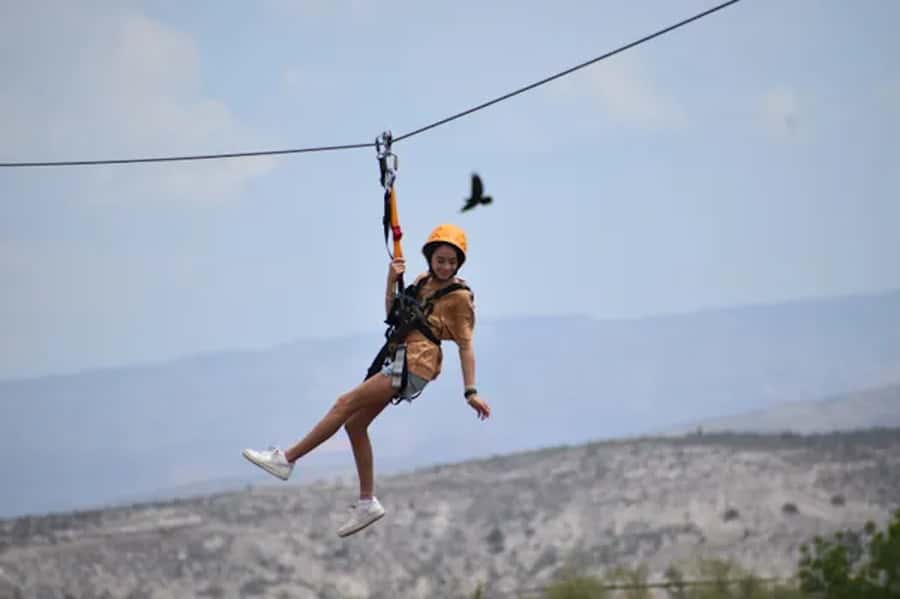
The last zip line is the one designed for velocity. It’s the “hold on and enjoy the wind” segment, and it tends to be the highlight for thrill-seekers. If you’ve been thinking, I want the scary part and I want it fast, this final run is where that happens.
The wind is a big part of why this tour feels memorable. When you launch into the air, you quickly stop thinking about your phone and start feeling the speed through your body.
The animals you’ll spot and why the guide matters
You fly over a set of predators that most people only see in documentaries. From above, you’re looking for movement, contrast, and where animals choose to pace or pause. That matters because animals aren’t always active all the time.
The tour specifically calls out major species like lions, tigers, wolves, hyenas, bears, cougars, and leopards. From the air, you may spot them resting, walking, or watching their area. And yes, it’s possible to see some animals napping—so manage expectations. You’ll still get the thrill of seeing them from a whole new angle.
What elevates this is how the guide talks about each animal. Several people highlight that the guides share animal names and their origin stories. That adds a layer of meaning, so you’re not just flying past cages. You’re learning what you’re seeing and why it matters.
I also like that the guides focus on respect—so the experience feels less like a stunt and more like a visit to a wildlife setting where observation is the point.
The views over Verde Valley and the surrounding mountains
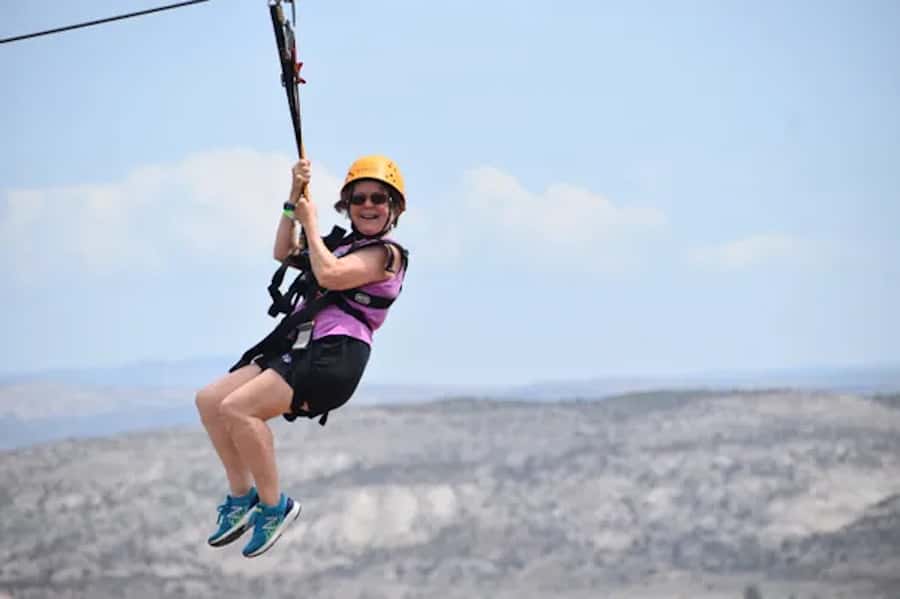
This isn’t only about animals. You also get wide open sightlines across the Verde Valley area. The tour description includes views of Cottonwood, Clarkdale, and Jerome, plus distant features like Humphrey’s Peak near Flagstaff, the Sedona Red Rocks, and Mingus Mountain.
From a practical travel perspective, this is a win because it gives you a visual “souvenir” that doesn’t depend on luck. Even if an animal is sleeping, you can still enjoy the big terrain views in every direction.
It’s also helpful for planning photos of the scenery—though note you can’t bring a camera with you. You’re essentially trading smartphone snapshots for full-sensory sightseeing and letting the guide’s photo option handle the close-up ride images.
If you’re doing this as a stop in the broader Sedona-to-Flagstaff region, the course gives you a way to see the area from above without driving between viewpoints all day.
Safety rules and comfort: what to wear and what to skip
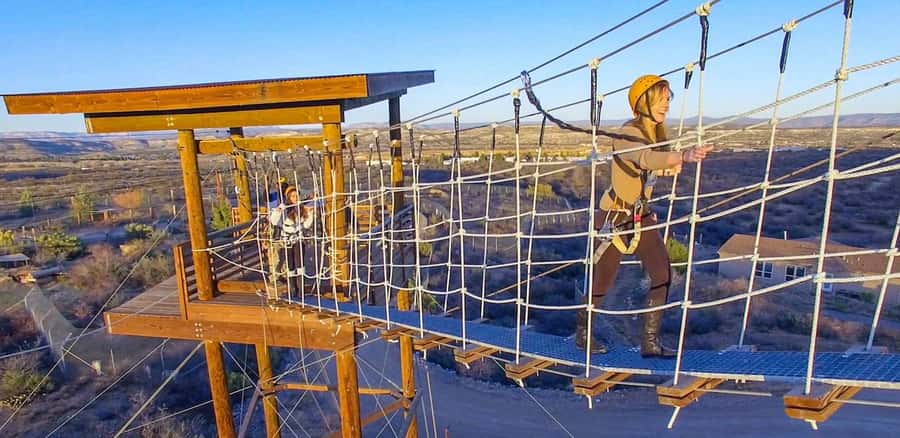
The Predator Zip Lines experience is very clear about what’s allowed. You’ll need comfortable clothes and sports shoes. Avoid open-toed footwear, high-heeled shoes, or anything that might slip. Bring sunscreen and water, because you’ll be outside and you’ll work up some effort before you ride.
They also restrict items you might want during the experience. You cannot bring cameras (including professional cameras), selfie sticks, drones, or anything for video recording. You also can’t smoke, and you can’t bring food. The rule set is strict, which is often a sign they’re trying to keep operations smooth and safe.
One more reason this matters: you’ll be hands-on in the ride setup, and you need to focus on your harness and your position. People often feel safest when they’re not fiddling with gear during the most intense parts.
Who this tour suits, and who should pass
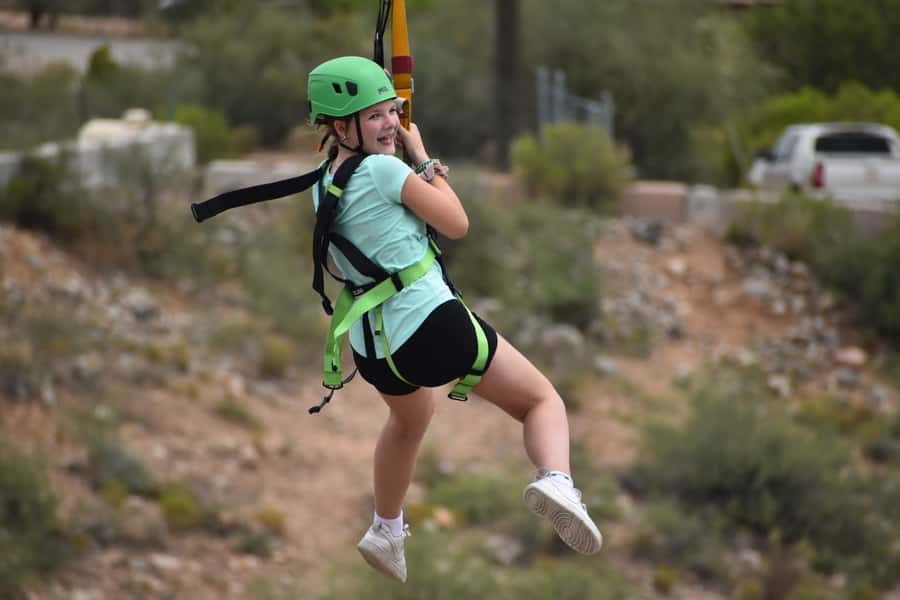
This zip line tour is not for everyone, and the listed limits are worth taking seriously. It’s not suitable for children under 8 years, wheelchair users, pregnant women, people with back problems, heart problems, respiratory issues, epilepsy, or those with recent surgeries. It’s also not recommended for people afraid of heights.
There are weight boundaries too: you must be between 66 lbs (30 kg) and 270 lbs (122 kg). And it’s not suitable for people with pre-existing medical conditions or people with low level of fitness. If any of these apply, it’s worth skipping the zip line and choosing a gentler Out of Africa day.
If you’re someone who can handle stairs and doesn’t mind being clipped in for the ride, this can feel very manageable. In fact, some first-time zipliners report they were nervous at launch but quickly settled in once the guide talked them through it.
Price and value: why $109 can make sense
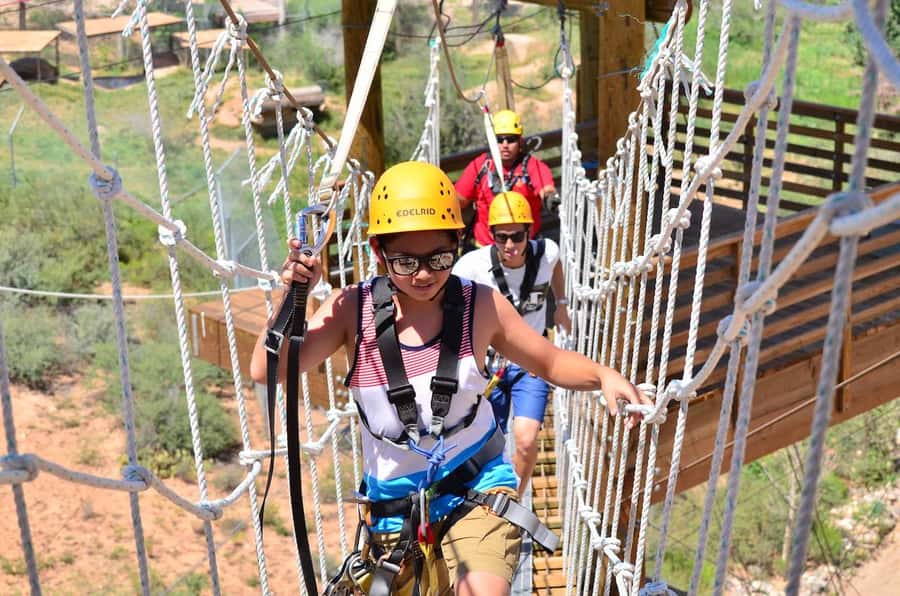
At $109 per person for a 90-minute guided experience, it’s not the cheapest activity in the area. But it’s priced like a real attraction: you’re paying for the course, trained guides, and the gear, plus a structured experience that lasts longer than a quick zip-and-go.
The value comes from how much you get for that time:
- Five zip lines instead of just one or two.
- Guided spotting of predators below, including help with animal names and identification.
- Views across the Verde Valley and surrounding mountains.
- Optional add-on value: after you ride, you can explore Out of Africa and save 20%.
If you were already planning to visit the park, the discount helps you stretch the budget. If you weren’t planning to visit, the zip line still works as a standalone “Camp Verde must-do,” but the best value usually happens when you pair it with Out of Africa afterward.
Photos and souvenirs: what to plan for if you want keepsakes
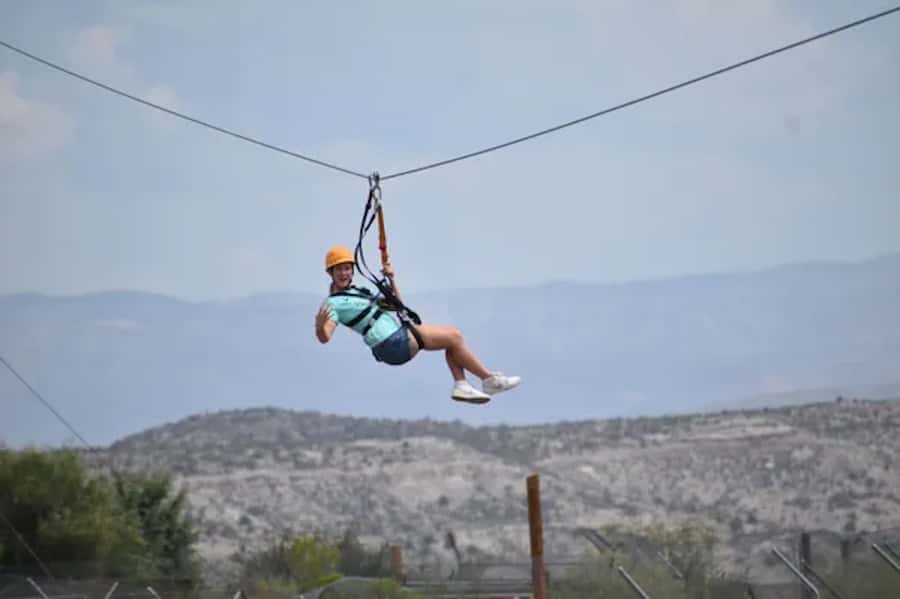
You can’t bring your own camera on the ride, and there’s no mention of you recording video. The upside is that photos are available for purchase—and the tour is set up so you can get ride photos, including shots during parts of the descent.
Some people say they appreciated this because they didn’t expect photos to be part of the experience. If having physical keepsakes matters to you, plan to browse the photo options right after, so you don’t forget what you look like at peak speed.
Timing, pacing, and how not to feel rushed
One of the best compliments is that the experience doesn’t feel rushed. Guides tend to take their time with safety checks and with helping you find the animals. That pacing makes a difference if you’re nervous or new to zip lining.
Still, timing can be tight in any system with multiple groups on the same course. One person noted feeling rushed during the final handoff from another group, and missed some advice about how to manage movement on the way down. My practical advice: arrive early enough that you’re not stressing during check-in, and listen fully during the first instruction session. Once you’re clipped in, you want the basics fresh in your mind.
A few practical tips that actually help
- Wear sports shoes and avoid anything with open toes or slick soles.
- Bring water and use sunscreen before you start moving.
- Leave your phone and camera plans at home since cameras aren’t allowed on the course.
- Expect stairs. If you’re not used to them, take it slow.
- Look down early on each line. The fastest way to enjoy it is to scan for movement right away.
- Don’t panic if animals are resting. Wildlife observation often means watching for periods of stillness.
Should you book Predator Zip Lines in Camp Verde?
Book it if you want a zip line that’s tied to a real setting—predators you can spot from above, plus strong guiding that explains what you’re seeing. This is especially worth it if you like tours where people feel supported, not thrown onto equipment and left to figure it out.
Skip it if you’re in any of the listed “not suitable” categories, if stairs and height fear are a big problem for you, or if you’re the kind of traveler who needs to film everything yourself. The no-camera rule is real, and your keepsakes will likely come from the available photo purchase.
If you’re visiting the Sedona-to-Flagstaff region and you’re looking for one active day that mixes speed with animal viewing, this is a solid bet.
FAQ
How long is the Camp Verde Predator Zip Lines guided tour?
The tour duration is listed as 90 minutes.
Where do I check in for the Predator Zip Lines tour?
You check in at the Predator Zip Lines office located in the Out of Africa Wildlife Park parking lot.
What’s included in the $109 per person price?
The experience includes the Predator Zip Line tour, all necessary gear, and guides.
Do I need to buy entry to Out of Africa Wildlife Park for the zip line?
No. Entry to Out of Africa is optional and not needed for the tour. You can explore after and save 20%.
Are cameras allowed during the zip line?
No. Cameras are listed as not allowed, and there are also restrictions on professional cameras and video recording. Photos are available for purchase.
What are the age and weight limits?
Children under 8 are not suitable. There is also a weight range: minimum 66 lbs (30 kg) and maximum 270 lbs (122 kg).
Who is this tour not suitable for?
It’s listed as not suitable for wheelchair users, people afraid of heights, people with back or heart problems, respiratory issues, epilepsy, those who are pregnant, and people with recent surgeries or low level of fitness.
More Guided Outings around Sedona
More Tours worth a look around Sedona
More Tour Reviews worth a look around Sedona
Not quite your trip? Here is more to see and do around Sedona
Guided, compared.
 ★ 4.7Page: Lower Antelope Canyon Entry and Navajo Guided TourFrom $787,801 reviews
 ★ 4.6Page: Antelope Canyon X Guided TourFrom $694,034 reviews
 ★ 4.7Page: Lower Antelope Canyon Tour with Trained Navajo GuideFrom $752,552 reviews
 ★ 4.5Page: Upper Antelope Canyon Entry Ticket and Guided TourFrom $1262,406 reviews
 ★ 5.0Guided ATV Tour of Western SedonaFrom $2381,767 reviews
 ★ 4.7Page: Lower Antelope Canyon Walking Tour with Navajo GuideFrom $761,289 reviews
 ★ 4.6Page: Lower Antelope Canyon Prime-Time Guided TourFrom $118668 reviews
 ★ 4.6Page: Upper Antelope Canyon Prime Time Entry & Navajo Guide.From $95619 reviews